
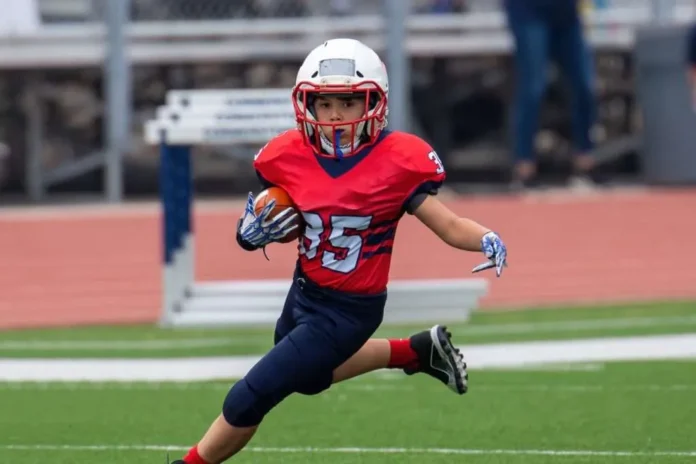
A youth football team begins long before the first snap. The quickest route is usually to join an established league, choose one age division, secure a suitable field, and confirm enough local interest before purchasing uniforms or equipment.
Existing leagues often provide rules, schedules, officials, age requirements, and insurance standards. Organizers still need a budget, trained coaches, safeguarding policies, emergency procedures, and a reliable way to communicate with parents.
Starting small gives the program room to solve early problems without leaving 60 families wondering where Saturday’s game will be played.
Define the Team Before Recruiting Players
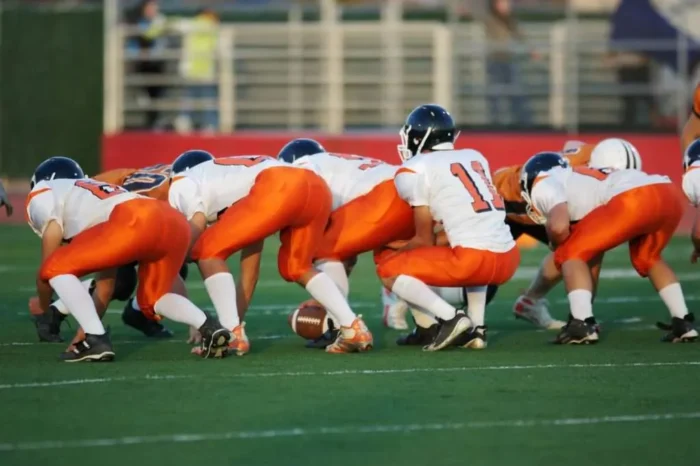
Write a one-page outline covering the team’s age group, playing format, geographic area, season dates, and participation philosophy.
Decide whether the program will guarantee playing time, hold tryouts, or operate as an open-registration community team.
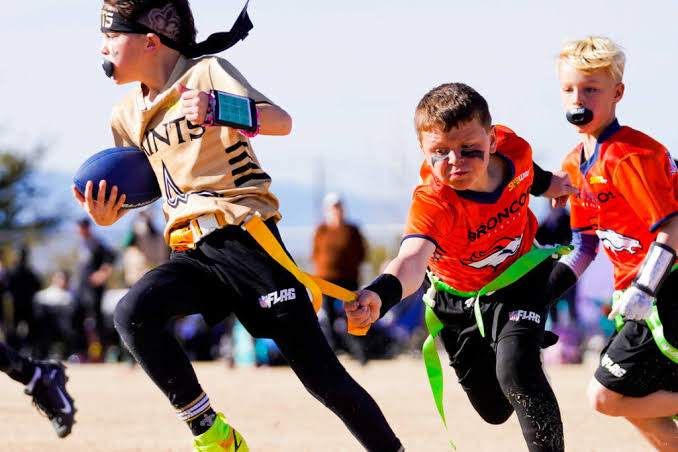
The choice between flag and tackle football shapes almost every later decision.
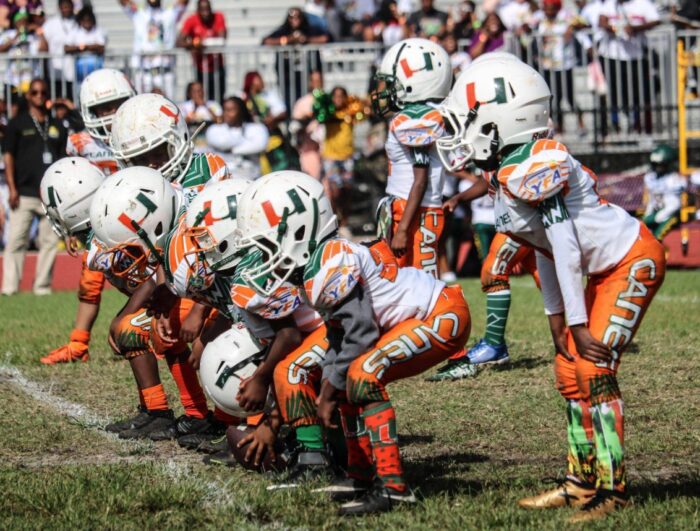
Organizers choosing tackle football should also decide whether custom football jerseys will be purchased by the program, included in registration fees, or ordered separately by families.
Consideration | Flag Football | Tackle Football |
| Main equipment | Flags, footballs, cones, mouthguards, jerseys | Helmets, shoulder pads, practice gear, uniforms |
| Field needs | Smaller layouts may work | Full or modified football field |
| Staffing | Head coach and assistants | Larger coaching and safety staff |
| Startup demands | Generally lower | Higher equipment, storage, and medical demands |
| Good fit | New programs and broad participation | Communities with experienced staff and league support |
Flag football has developed a separate competitive pathway and will make its Olympic debut in Los Angeles in 2028. Its lower equipment burden makes it a practical starting format, especially when organizers are still measuring local demand.
Find a League and Field Early
Contact nearby leagues before collecting registration fees. Ask about age cutoffs, geographic boundaries, roster limits, season schedules, coach requirements, player verification, officials, insurance, and equipment rules.
A league may require birth certificates, annual weigh-ins, specific jersey numbers, certified coaches, or particular helmet models. Buying equipment before reading the rulebook can produce a storage room full of expensive mistakes.
Field access deserves equal attention. Parks departments, schools, churches, and private sports facilities may rent space, although permission can involve applications, deposits, proof of insurance, lighting fees, and restrictions on commercial activity. Confirm practice and game availability in writing.
Field inspections should cover surface hazards, goalpost padding, restroom access, parking, spectator areas, emergency vehicle access, and severe-weather shelter. A beautiful field with no ambulance entrance creates an avoidable problem.
Create an Accountable Organization
A single team joining an established club may operate under that club’s legal and financial structure. An independent program needs its own framework.
Start with a small governing group and assign clear responsibilities. Useful roles include a program director, treasurer, football coordinator, safety lead, and parent liaison. Require two people to approve significant spending and provide regular financial reports.
Organizers planning to create a charitable nonprofit should check state registration requirements and obtain professional guidance. State incorporation and federal tax-exempt recognition are separate steps. The IRS provides current tax-exemption guidance for organizations considering 501(c)(3) status.
Open a dedicated bank account and keep team money separate from personal funds. Written rules should cover refunds, scholarships, equipment deposits, conflicts of interest, sponsorships, and the process for approving purchases.
Insurance remains essential even when parents sign waivers. Discuss general liability, participant accident coverage, directors and officers coverage, equipment, and hired or non-owned vehicles with a broker familiar with youth sports. League affiliation may include some protection, so review any existing policy before buying overlapping coverage.
Put Safety Policies in Place
Every adult with regular access to players should complete an appropriate background screening and reference check. USA Football currently lists an annual screening option starting at $15 per coach, although local laws and league standards may require a different service or search level.
Background checks form one part of athlete protection. Written rules should address adult-minor communication, transportation, locker rooms, photography, overnight travel, and one-on-one contact.
The U.S. Center for SafeSport publishes model prevention policies that can guide programs beyond the organizations legally bound by its rules.
Each venue also needs a rehearsed emergency action plan. Identify who calls 911, who meets responders, where the AED is located, who carries medical information, and how practice stops during lightning or extreme heat. The National Federation of State High School Associations recommends that emergency plans be reviewed and rehearsed annually.
Coaches can take the CDC’s free youth sports concussion training. An athlete with a suspected concussion should leave play and receive medical evaluation.
The CDC’s six-step return progression begins after healthcare-provider approval, with each stage normally lasting at least 24 hours.
For tackle teams, purchase helmets carrying certification for the applicable NOCSAE standard. Follow manufacturer inspection and recertification schedules. NOCSAE explains that manufacturers determine the required interval according to elapsed years in its helmet recertification guidance.
Build a Complete Season Budget
There is no reliable nationwide startup price. Costs depend on format, field access, roster size, league fees, equipment ownership, insurance, and local labor.
Build the budget before setting registration fees.
Budget Group | Typical Items |
| Fixed costs | League entry, field rental, insurance, website, storage |
| Staff and safety | Screening, training, first-aid supplies, AED access |
| Player costs | Uniform, equipment, registration system, awards |
| Game operations | Officials, field setup, chains, scorekeeping |
| Reserve | Refunds, damaged gear, extra field time, scholarships |
Use a simple formula:
Registration fee = (fixed costs + per-player costs + reserve) ÷ expected paid players
Suppose fixed expenses reach $6,000, player costs average $275, and 24 athletes register. The season costs $12,600 before a reserve. Adding 10% produces a fee of roughly $578 per player.
Sponsorships and fundraising can reduce the family price, while scholarships should receive a separate budget line.
Apply for equipment assistance early. USA Football offers periodic youth program grants, but application windows and eligible purchases change. Local businesses may prefer funding a defined need such as ten helmets, one field rental, or three player scholarships.
Recruit Coaches Before Opening Registration
Parents reasonably expect to know who will supervise their children. Secure the head coach and core assistants before announcing a full program.
Look for adults who communicate calmly, arrive consistently, and can teach children at the selected age level. Playing experience helps, although patience and preparation often matter more during a Tuesday practice with 20 excited nine-year-olds.
USA Football’s Youth Coach Course includes separate flag and tackle instruction, along with health, safety, communication, and abuse-prevention education. CPR, first aid, concussion recognition, and heat-illness training should also match league and local requirements.
Hold a parent meeting before the first practice. Explain attendance expectations, playing-time policy, sideline conduct, equipment care, medical procedures, communication channels, and the complaint process. Collect emergency contacts, consent forms, medical information, proof of age, and any league-required physical examination.
Plan a Manageable First Season
A new program benefits from a short pilot season with one age group and a roster that the coaching staff can supervise well. Leave enough time between registration and opening day for equipment fitting, coach training, schedule changes, and parent questions.
Practices should follow written plans with clear time blocks. Early sessions can emphasize movement, ball handling, position basics, and team routines.
Tackle instruction should progress gradually from no-contact work to bags, controlled contact, and game-like situations. USA Football’s contact progression provides a practical framework.
Track attendance, injuries, expenses, equipment condition, and parent feedback during the season. After the final game, review what strained the program and what families valued. Decisions about adding another age division can wait until the original team has dependable coaches, finances, and field access.

