
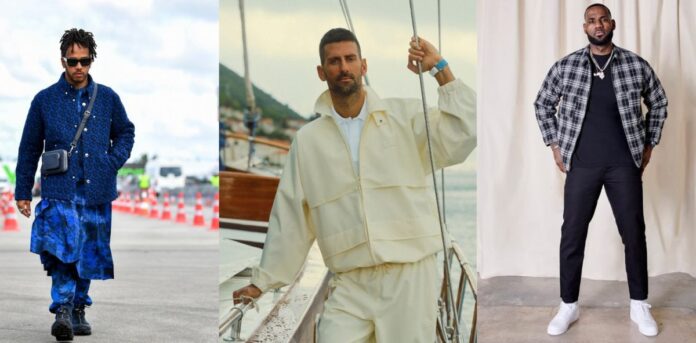
Lines separating sports, fashion, and media feel increasingly indistinct.
Competitive arenas no longer define how elite athletes are perceived in public culture.
Modern sports figures shape taste, influence style conversations, and command attention far outside competition settings.
Fashion houses, magazines, and digital platforms now treat top players as cultural figures whose presence carries:
- Narrative weight
- Aesthetic authority
- Global relevance
Masculinity within sport has also shifted, allowing elegance, expression, and individuality to coexist with performance and strength.
Let us see why today’s athletes play a big role as media icons.
Rise of Athlete Style Icons
Athlete visibility inside fashion culture reflects a broader shift in how influence is earned and sustained.
Competitive success now operates alongside personal image, public presence, and cultural literacy.
Menswear no longer looks exclusively toward entertainment figures for inspiration.
Sports professionals occupy center stage, shaping how masculinity, power, and elegance are visually communicated.
Locker Room to Runway Shift
View this post on Instagram
Menswear leadership has changed over recent decades as cultural attention migrated across industries.
Fashion once revolved around supermodels during the 1990s, followed by actors becoming dominant reference points.
Sports celebrities now drive momentum across fashion ecosystems, influencing creative direction and commercial outcomes.
Influence appears across several visible touchpoints, including
- Brand storytelling is built around discipline, ambition, and credibility
- Front row visibility at global Fashion Week events
- Campaign placement that positions athletes as central figures rather than supporting faces
- Clothing worn by athletes communicates authority, composure, and self-possession.
Physical excellence reinforces tailoring, luxury materials, and experimental silhouettes with authenticity rather than performance.
Designers increasingly value athletes as communicators of confidence and restraint.
High-profile partnerships confirm this shift.
LeBron James aligned with Louis Vuitton, presenting basketball excellence through luxury craftsmanship.
Son Heung-min became a recognizable face for Burberry, linking performance with British heritage codes.
@burberry Brand ambassador Son Heung-min brings a little something for the table #Burberry ♬ original sound – Burberry
Kylian Mbappé established a close association with Dior, reinforcing youth, precision, and modern elegance.
Lewis Hamilton and Charles Leclerc appear regularly at Fashion Week, bringing Formula One visibility into luxury circles and expanding menswear reference points.
Authenticity and Narrative Power
An athlete’s connection with audiences develops through the visibility of emotion under pressure.
Competition unfolds publicly, exposing success and vulnerability without filters.
Fans observe stress, disappointment, recovery, and triumph in real time, creating trust and emotional investment.
Sports careers follow recognizable arcs shaped by persistence, setbacks, and renewed focus.
Global audiences respond to these patterns because outcomes feel earned rather than scripted.
Lewis Hamilton demonstrates how emotional presence translates into fashion credibility. Working with Tommy Hilfiger expanded public perception.
Appearances at the Met Gala and Fashion Week reinforced status as a fashion insider rather than a guest.
Advocacy, experimentation, and expressive wardrobe choices positioned him as a symbol of self-expression and progress within contemporary masculinity.
GQ x Nitto ATP Finals 2025 Campaign
View this post on Instagram
Editorial collaboration between GQ and Nitto ATP Finals reframed tennis visibility ahead of the 2025 year-end tournament in Turin.
Visual direction presented players through a refined lens, prioritizing intimacy, tailoring, and controlled elegance over competitive uniformity.
The players who appeared styled in formalwear are:
- Jannik Sinner
- Carlos Alcaraz
- Alexander Zverev
- Taylor Fritz
- Ben Shelton
- Alex de Minaur
Photography took place inside a downtown Turin hotel, using quiet interiors to contrast athletic intensity with composed presentation.
Visual language emphasized modern elegance, presenting players whose authority translated seamlessly into tailored silhouettes.
Creative execution came through photographer John Ruso, whose lens focused on presence rather than performance.
Visual atmosphere gained further depth through Gravity backdrops for photography, reinforcing tonal consistency and editorial cohesion. Combined efforts resulted in imagery that felt deliberate, polished, and culturally literate.
Styling and framing communicated a clear message about contemporary masculinity within tennis.
Athletes appeared self-assured and reflective, comfortable engaging in fashion without diluting competitive credibility. Discipline supported elegance instead of opposing it.
Several ideas emerged clearly across the series:
- Off-court identity treated as equal to on-court reputation
- Technical mastery extended into personal style awareness
- Precision, restraint, and confidence expressed through posture, tailoring, and composition
Tennis figures long associated with tradition and formality gained renewed relevance as global style personalities.
Editorial direction emphasized dimensionality, presenting players as cultural figures with range, presence, and voice rather than specialists defined solely by sport.
Footballers Leading Global Style Influence
Football occupies a dominant position in global culture, providing unmatched reach and visibility.
Fashion partnerships linked to football figures gain instant relevance across continents.
Brands increasingly align with players whose values, creativity, and social awareness enhance credibility.
Football as Cultural Force
Football engages billions of supporters worldwide, creating unparalleled exposure for fashion collaborations.
Designers view players as conduits to youth culture, activism, and global conversation.
Notable collaborations demonstrate how fashion aligns with football influence:
- Marcus Rashford is working with Burberry through initiatives connecting image and social impact
- Memphis Depay is partnering with Valentino and Gaffer Magazine, merging music, fashion, and sport into one identity
- Megan Rapinoe is collaborating with Loewe, signaling luxury interest in female footballers and inclusive representation
Multi-Hyphenate Identity and Creative Control
Athletes increasingly shape projects rather than simply appearing in campaigns. Creative involvement strengthens authenticity and long-term value.
Memphis Depay balances elite football with music releases and fashion participation, presenting a cohesive public persona.
Tiemoué Bakayoko invested creatively in streetwear label Études, influencing direction instead of posing passively.
Brand strategists observe a clear shift toward athlete autonomy. Image building now includes off-pitch interests as integral components.
Fashion, music, activism, and entrepreneurship provide platforms for self-authored narratives while maintaining credibility.
Social Media and Athlete-Driven Media Power
Digital platforms amplify athlete influence at an unprecedented scale.
Cristiano Ronaldo commands more than 600 million Instagram followers, positioning his personal brand among the most powerful worldwide.
Direct posting reaches audiences instantly, reducing reliance on traditional advertising structures.
Fashion campaigns benefit through immediate engagement and visibility. Followers respond to athletes as trusted figures whose recommendations feel personal.
Talent agencies such as Roc Nation Sports and False 9 develop branding strategies centered on lifestyle, values, and creative pursuits. Media presence now extends across channels curated directly by athletes.
Redefining Masculinity and Style Norms
View this post on Instagram
Modern masculinity favors confidence paired with openness. Polished presentation coexists with strength and competitiveness.
GQ and ATP visuals presented an expressive style as compatible with athletic dominance rather than a contradiction.
NBA tunnel walk culture is normalized as a performance. Arena arrivals function as curated moments similar to red carpet appearances.
Figures such as Shai Gilgeous Alexander and Russell Westbrook turned entrances into visual statements that communicate personality and intent.
Tennis has begun reflecting similar attitudes. Long associated with restraint and tradition, tennis now supports contemporary male style expression.
Jannik Sinner, Novak Djokovic and Carlos Alcaraz project composure and sophistication while maintaining competitive focus, signaling continued expansion of fashion influence within elite sport.
Summary
View this post on Instagram
Athletes today operate as storytellers, tastemakers, and media-savvy figures with influence reaching far past sport.
Fashion participation communicates:
- Identity
- Values
- Cultural awareness
Campaigns linking luxury style with elite competition capture shifts in how masculinity and celebrity function.
Courts, pitches, and tracks now serve as launchpads for broader cultural presence.
Athlete style influencers shape global conversations, merging performance excellence with refined personal expression.
Momentum suggests continued expansion of athlete-driven fashion and media influence across industries.