Thursday, December 11, 2025
Home Blog

The Best Hockey Academies in the United States for Young Players

0
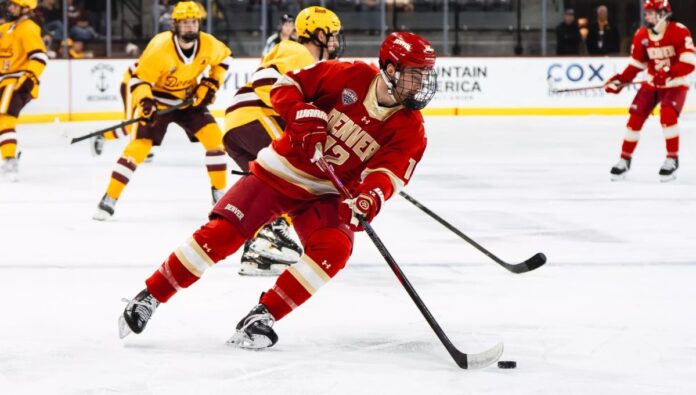
Source: denverpioneers.com

Youth hockey in the United States has never felt stronger. USA Hockey’s 2024–25 registration report shows 577,864 total players, including 396,525 youth players. The growth is steady across several age groups, with a noticeable rise in girls’ and women’s hockey.

Families are chasing better coaching, better structure, and a path that feels both serious and healthy. That surge has created a crowded market of programs calling themselves academies. Some truly operate like high-performance development engines.

Others are traditional boarding schools with deep histories and strong pipelines. A few are national training hubs that function like academies, even if they avoid the label.

The goal here is simple. Today, we will provide families with a practical guide that reflects real infrastructure, real competition, and real track records. No hype. No sales pitch. Just how the top programs in the country actually operate and who they fit best.

1. USA Hockey National Team Development Program – Plymouth, Michigan

If the question is strictly about maximizing elite American development, the NTDP sits at the top. It is not a pay-to-play setup. It is not a campus-style academy with marketing slogans and glossy brochures.

It is a national selection program created to gather the best U17 and U18 talent and develop it through a highly structured system.

What defines the NTDP

  • Established in 1996, with operations later relocated to Plymouth
  • Heavy investment in off-ice training, sports science, analytics, and video
  • A rigorous competition model built around international events, USHL games, and select showcases
  • A staff structure that mirrors a small professional organization

Who it fits

Players already operating at the top of the national pool. Athletes who thrive under pressure, rapid development cycles, and high scrutiny.

What families need to know

  • You cannot buy your way into the program
  • Education and daily life look different from a standard boarding school
  • The pace is intense, and the expectations are non-negotiable

The NTDP works because it pushes already exceptional players in an environment designed to produce the next wave of NCAA, USHL, NHL, and international performers.

Many families also look for training tools that help players build consistent shooting habits at home, and a hockey shooting tarp can be a smart addition for athletes who want extra reps.

2. Shattuck-St. Mary’s Hockey Center of Excellence – Faribault, Minnesota
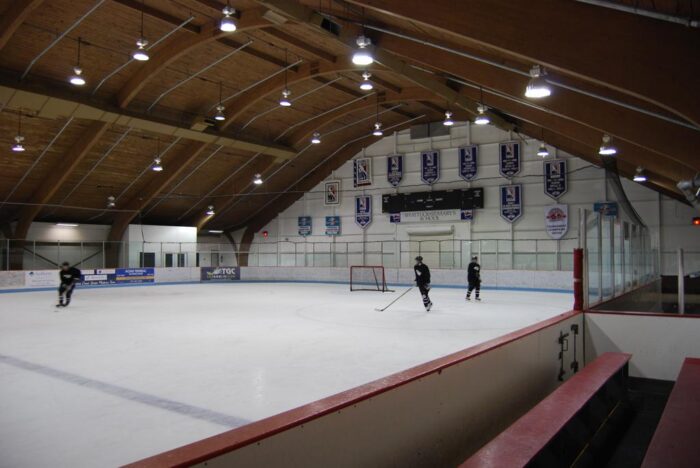
Source: history.vintagemnhockey.com

Shattuck-St. Mary’s is one of the purest hockey-centered boarding environments in the country. Everything from schedule design to facility layout reflects the school’s commitment to training volume and structure.

Program features

  • Seven-month season
  • Fifty to sixty-five games, including frequent travel in the U.S. and Canada
  • On-ice sessions five to seven days a week
  • Year-round strength program
  • Two NHL regulation rinks, a 3v3 rink, a large training center, and substantial video resources
  • Recent U18 national championships in 2022, 2023, and 2024

Cost structure

  • Domestic boarding tuition for 2025–26: $63,500
  • Hockey Center of Excellence fee: $10,000

Who it fits

Players who want a hockey-first lifestyle with a predictable rhythm. Families who are comfortable with long travel stretches and a demanding schedule.

What to ask

  • How do they manage overuse and recovery
  • How injuries are handled
  • How periodization works across the season
    A high game load can help or hurt, depending on how the training staff manages the physical side.

3. Culver Academies – Culver, Indiana
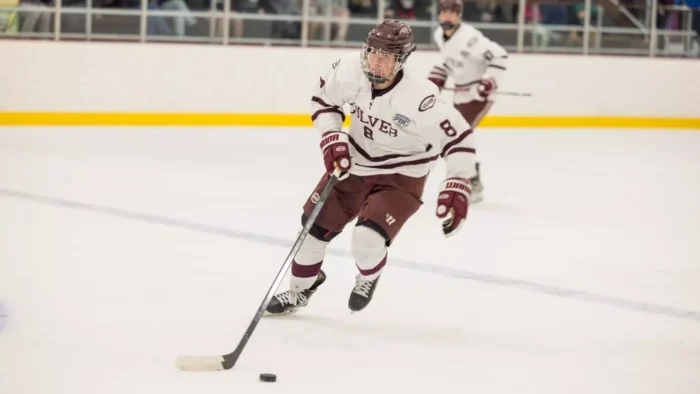
Source: culverathletics.com

Culver offers a full boarding ecosystem with a strong academic structure, leadership framework, and athletic depth. Hockey fits into that broader campus identity.

Key points

  • Tuition, room, and board for 2025–26: $67,000
  • Multiple hockey levels, including U18 Prep and U16
  • A wider athletics culture that produced 38 college commitments across sports in 2024–25

Who it fits

Families who want a structured, traditional boarding-school education paired with high-performance hockey.

What to ask

  • Projected role and ice time on your player’s specific team
  • How the school manages academics during heavy travel periods

4. South Kent School – South Kent, Connecticut
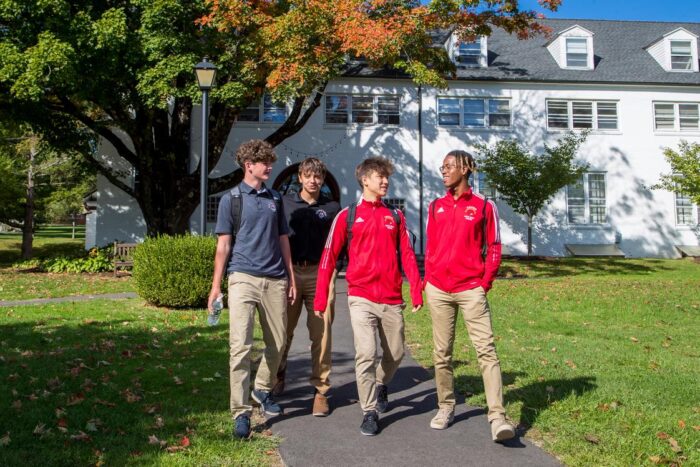
South Kent blends boarding-school structure with a competitive AAA and prep model. Its hockey pathway is built with NCAA and junior visibility in mind.

Notable features

  • Hockey positioning focused on development toward NCAA, USHL, CHL
  • Players frequently appear on NHL Central Scouting lists
  • Clear communication around recruiting exposure

Who it fits

Players who want a more explicit bridge to juniors with a tight academic-hockey structure.

What to ask

  • Placement outcomes broken down by position and age
  • How mental performance and recovery are handled
  • How heavily the schedule leans on travel

5. Northwood School – Lake Placid, New York

Northwood has a long prep hockey reputation and sits in one of the most historically rich hockey environments in the country.

Program structure

  • Forty to fifty games each year
  • Extensive travel throughout the U.S. and Canada
  • Partnership with the Prep Hockey Conference
  • Strong internal culture built around competition and tradition

Who it fits

Players who need frequent games and want a classic academic setting in a hockey-heavy town.

What to ask

  • How they protect academic balance during the busiest months
  • How they structure strength and conditioning during the season

6. Mount Saint Charles Hockey Academy – Woonsocket, Rhode Island

Mount Saint Charles uses the academy label directly and aims to provide full-throttle development with an emphasis on competitive success.

Program highlights

  • Three national championships across recent seasons
  • Thirty-four NHL draft picks
  • Six on-ice days per week
  • A long competitive history with substantial recognition

Who it fits

Players who want a branded academy identity and families who like heavy training volume.

What to ask

  • Specific weekly training breakdowns
  • How different team levels vary in competition quality
  • How academic support works during peak travel periods

What “Best” Should Mean for Your Player

A program can look incredible online and still be the wrong fit. Use concrete categories.

Coaching quality

  • How many practices actually focus on skill development
  • Whether goalies and defensemen get position-specific attention
  • How skills progress across the season

Ice time

  • Ask for last season’s roster size
  • Ask for the typical game roster size
  • Ask where your player realistically slots

Strength and recovery

  • Who runs the strength program
  • How injuries are handled
  • Whether they apply a return-to-play protocol

Competition clarity

AAA and prep labels vary. Ask for a list of opponents from the last season to see the real level.

Recruiting realism

NCAA rosters remain limited even with scholarship model changes. College Hockey Inc. has outlined the evolving structure, including potential increases in scholarship flexibility for Division I men’s hockey. Families should treat development and education as priority one.

The Tie Between Academies and Juniors

USA Hockey identifies the USHL as the only Tier I junior league in the country. Many academies advertise a pipeline toward USHL, NAHL, or CHL. The important point:

A strong academy builds habits, strength, and hockey maturity. It creates exposure by placing players in the events and leagues scouts already watch. No academy can guarantee advancement. They can only position players well.

Final Thoughts

Hockey development in the United States keeps evolving. More players. Better coaching. Stronger programs.

The academies listed above continue to stand out because they offer structure, competition, and real developmental value.

The right choice depends on your player’s temperament, academic needs, geographic flexibility, and readiness for a serious daily workload.

Pick the program that fits the person, not the logo.

The Adrenaline Factor: Why Fight Fans Love Sweepstakes Casinos

0
Source: umggaming.com

When the lights dim and the walkout music hits, every fan feels the charge. Combat sports are built on bursts of tension followed by sudden payoffs, with natural pauses between rounds.

Those gaps create space for light, on-the-side entertainment that keeps the pulse up without pulling attention away from the card.

From Ring Walks to Reels: The Adrenaline Bridge

Short, self-contained sessions match the rhythm of fight nights: a few quick spins, eyes back to the broadcast, and repeat as the action ebbs and flows. Fans who enjoy coin-based play appreciate how simple mechanics keep things moving and easy to pause.

For a neutral overview of how this format works, explore a sweepstakes casino experience that highlights social, coin-driven play. The result is an entertainment loop that supports the main event rather than competing with it.

Because rounds come fast, the best side activity is the one that respects attention. Lightweight play encourages small check-ins between corners without adding complexity. That means more time tracking feints, footwork, and momentum shifts.

Source: nj.com

Why Fight-Night Fans Lean Into Second Screens

U.S. fans increasingly watch with a phone in hand, checking stats, highlights, and community chatter while the bout unfolds.

As streaming expands across platforms, live sports viewing has become more interactive and mobile, especially among younger audiences.

In Short: Second-screen habits make short, coin-based games a natural sidekick to a main card.

What Makes the Format Fan-Friendly

Source: tribuna.com

The appeal starts with pacing. Quick rounds of play fit neatly between corners, and simple interfaces get out of the way so viewers can refocus when the ten-second clapper sounds.

Coin systems make it easy to engage for entertainment without extra steps.

  • Quick Hits: Short sessions fit between rounds and replays.
  • Easy Pause: Stop instantly when cornermen step out and referees wave the fighters in.
  • Clear Flow: Simple mechanics reduce distraction, so the broadcast remains the star.
  • Social Touch: Leaderboards and chats add friendly energy without the noise of a crowded feed.

Micro-Bursts and Momentum: How Games Mirror Fights

Fights swing on small edges: a checked kick, a level-change fake, a counter over the jab.

Similarly, quick game rounds deliver bite-size outcomes that feel aligned with that cadence. Viewers can enjoy a brief pulse of excitement, then reset for the next exchange in the cage or ring.

Source: deadspin.com

Bursts of Action

Short rounds mirror flurries at the fence or in the pocket, delivering a pop of anticipation followed by a clean reset.

This helps keep focus available for big moments like knockdowns, submission attempts, or sudden momentum swings.

Momentum Swings

Just as a 10-8 round can flip a fight’s arc, a brief run of wins or near-wins provides narrative texture between bells.

The cadence feels familiar, which is why the format often clicks with fight-night routines.

Putting It Together: The tight loop of action-reset-action aligns with how fans already watch and react.

Community Energy Without the Noise

Combat-sports fandom thrives on shared moments: live watch-alongs, highlight reels, and friendly debates about scorecards.

Coin-based games add to that energy with chats and light competition that feel celebratory rather than all-consuming. The goal is to enhance the main event’s buzz, not drown it out.

For many fans, that balance matters. A compact side activity can keep the adrenaline humming while preserving space for commentary, corner advice, and real-time analysis from broadcasters.

Source: casinoreports.com

Low Friction, High Focus During Live Cards

Dual-coin models are designed for simplicity. Gold Coins exist for entertainment, while Sweeps Coins support promotional sweepstakes play, and both are presented to keep game flow smooth and easy to pause.

In Short: Minimal friction means more attention stays on feints, clinch battles, and tactical adjustments.

Responsible Play: Keeping the Rush in Check

Fight nights are emotional, so pacing helps. Build small, pre-planned windows for play—between rounds or during walkouts—and avoid extending sessions into the main event’s critical moments.

Consider soft limits to keep the experience light and focused on the card.

  • Set A Plan: Decide when to play before the first bell.
  • Use Timers: Let a quick alert prompt a return to the broadcast.
  • Protect Focus: Pause during live judging, challenges, or close scorecards.

How To Try It: Smart First Steps for Fight Fans

Source: masslive.com

Start by exploring the lobby and testing a few titles during prelims, then refine choices before the main card. Favor straightforward games with clear instructions so attention can return to the broadcast on a moment’s notice. Keep sessions short and treat play as an accessory to the event, not the headliner.

Bottom Line: Simple choices and short sessions help the format complement—rather than compete with—fight-night drama.

The Bottom Line for Fight Fans

For fight fans, the draw is adrenaline, community, and storylines that turn on a single exchange. Coin-based sweepstakes casinos echo that cadence with quick, easily paused sessions that fit the natural gaps in a broadcast.

Used thoughtfully, they can amplify the fun while keeping the main card at the center of the night.

At the end of the day, the real value comes from keeping the experience flexible and in sync with the natural flow of a live card. During a long fight night, small pockets of downtime can feel flat, and a quick side activity adds just enough spark to keep the energy high without overwhelming the moment.

Fans want something that respects the rhythm of the sport, supports the shared excitement, and stays easy to pick up and put down. When used with intention, this format becomes a companion to the broadcast that elevates the overall viewing atmosphere.

Top 10 Esports Tournaments With the Biggest Prize Pools in 2025

0
Source: win.gg

Esports in 2025 has moved beyond mere competition;  it is now one of the most lucrative entertainment ecosystems on the planet.

While 2020–2022 marked the age of record-breaking online viewership, 2025 is defined by financial maturity and institutional backing.

Prize pools across multiple disciplines, MOBA, tactical shooters, mobile games, and hybrid events, have reached levels once reserved for traditional sports championships.

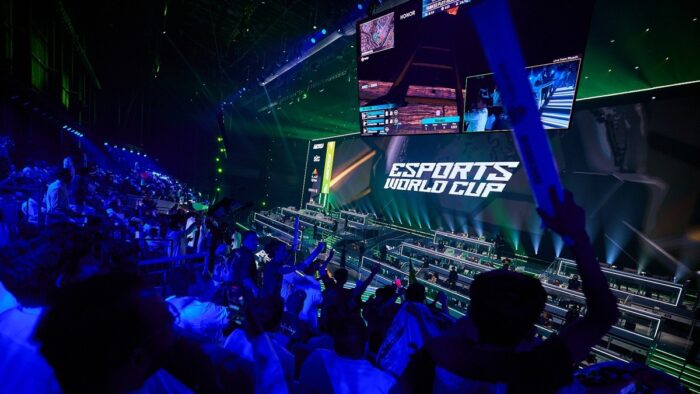
What separates 2025 from any prior year is the emergence of consolidated mega-events like the Esports World Cup, where the total prize money crosses the $70 million mark.

This single event alone redefines what financial scale looks like in the professional gaming world.

1. Esports World Cup 2025

Source: insidersport.com

The Esports World Cup 2025 is the most ambitious and expansive esports festival to date.

Held in Riyadh, Saudi Arabia, it spanned more than seven weeks and featured 25 separate competitions across 24 game titles, plus a Club Championship that evaluated entire organisations across games.

The total prize pool exceeded US $70.45 million, which is now officially the largest in esports history.

This event represents a shifting model for esports: instead of one-title events, major organisers now bundle many games under a single umbrella, giving mobile, console, PC, and even chess titles equal billing.

For fans of tactical-shooter betting or viewing, platforms like CSGOLuck mirror the scale of interest this event generated – even though the Esports World Cup is far larger than any single tournament site.

Detail Information
Total Prize Pool ≈ US $70.45 million 
Host Location Riyadh, Saudi Arabia
Dates July 7 – August 24, 2025
Scope 24+ game titles + Club Championship
Significance Largest prize pool in esports history; signals esports maturation

The Club Championship component deserves special attention. Organisations competed across multiple titles: finishing strongly in two or more games earned points, and the top-ranking club received as much as $7 million alone. 

The wider view: for professional players, such an event means not just fame but legitimate income, visibility, and long-term career stakes. For fans and bettors, the breadth means you’re no longer following just one game but an entire ecosystem.

2. The International 2025 (Dota 2)

The International remains the flagship event for the game Dota 2, even as the single-event prize pool has shrunk compared to its peak years.

In 2025, the tournament still represented the pinnacle of competitive Dota, combining global teams, millions of viewers, and intense strategic play.

Detail Information
Game Dota 2
Prize Pool ≈ US $2.88 million
Host / Organizer Valve Corporation
Format Group stage + double elimination playoffs

While $2.88 million is far lower than the $40 million+ prize pools of past years, the prestige remains. The move away from massive crowdfunding suggests that Valve is refocusing on sustainability rather than headline-grabbing numbers. Teams that win The International still achieve legendary status.

3. Valorant Champions 2025

Source: valo2asia.com

For the tactical-shooter genre of esports, the competition in Valorant has matured quickly.

Valorant Champions 2025 brought together the best teams from regional leagues in North America, EMEA, and APAC under one roof, with polished production values, storytelling, and a prize pool of US $2.25 million.

Detail Information
Game Valorant
Prize Pool US $2.25 million
Organiser Riot Games
Regions Represented NA, EMEA, APAC

The tangible growth of Valorant esports underscores how first-person tactical shooters still attract large organiser investment, audience interest, and fan engagement. It’s a game where reflexes, tactics, and teamwork converge, and where a strong performance can elevate a team’s brand.

4. Esports World Cup – League of Legends Division 2025

Within the mega-festival of the Esports World Cup, the League of Legends (LoL) segment stood out. LoL has been the cornerstone of global PC esports for years, and integrating it into a broader multi-title festival allowed fans to see a familiar game in a fresh context.

Detail Information
Game League of Legends
Prize Pool US $2.0 million 
Venue STC Esports Arena, Riyadh 
Format 12 teams, group stage + playoffs

This $2.0 million pool may not rival the largest by game title alone, but the symbolism is potent: LoL being part of a mega-ecosystem rather than a standalone series reflects how publishers are diversifying. For fans, it means watching their favourite game side-by-side with mobile titles and even chess.

5. PUBG Mobile World Cup 2025

Source: esportsworldcup.com

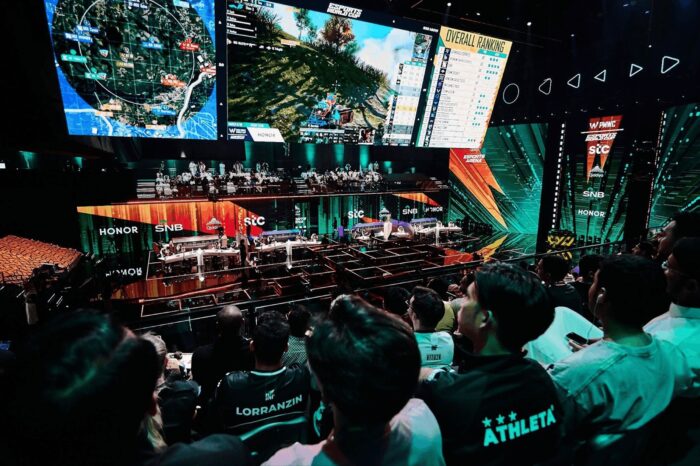
Mobile esports continue their explosive rise. The PUBG Mobile World Cup (PMWC) 2025 drew 24 international teams, took place in Riyadh, and offered a prize pool of US $3.05 million according to Liquipedia.

Detail Information
Game PUBG Mobile
Prize Pool ≈ US $3.05 million
Teams 24 teams from multiple nations 
Venue Riyadh, Saudi Arabia

The significance here is two-fold. First, mobile titles are no longer “secondary” in esports: their prize pools and global reach are competitive. Second, the infrastructure to host such large-scale mobile tournaments globally has matured. For anyone tracking the esports landscape or looking into betting or viewing options on platforms like CSGOLuck, mobile tournaments are increasingly relevant.

6. MLBB Mid-Season Cup 2025 (Mobile Legends: Bang Bang)

In Southeast Asia, the mobile Multiplayer Online Battle Arena (MOBA) title Mobile Legends: Bang Bang is enormously popular.

The Mid-Season Cup 2025 featured a prize pool of US$3.0 million and showcased how mobile MOBA esports can draw serious investment and viewership.

Detail Information
Game Mobile Legends: Bang Bang
Prize Pool US $3.0 million
Dominant Regions Philippines, Indonesia
Format 23 teams, regional qualifiers + finals 

The human factor here: players in Southeast Asia often juggle local tournaments, livestreaming, and brand partnerships.

The visibility of MLBB and the prize pool validate their careers. For global watchers, it’s a reminder that esports success is not just Western-centric.

ChatGPT said:

7. First Stand Tournament 2025

Source: gameleap.com

The First Stand Tournament 2025 marked Riot Games’ boldest experiment yet, a crossover between esports, entertainment, and live media.

Rather than sticking to pure professional rosters, Riot introduced mixed teams made up of elite pros, retired legends, and top-tier streamers.

With a $1 million prize pool, this event wasn’t just about victory; it was designed to celebrate the personality-driven side of competitive gaming.

Detail Information
Game League of Legends
Prize Pool US $1 million
Organizer Riot Games
Location Los Angeles, California
Unique Feature Mixed teams (pros + streamers) with fan voting for matchups

The format was revolutionary. Inst

ead of the standard group-stage grind, the event revolved around fan engagement. Spectators could vote on which influencer or retired pro would join each lineup, shaping the tournament’s narrative in real time.

Riot’s production design mirrored major entertainment awards, complete with red-carpet segments, interviews, and behind-the-scenes segments that highlighted team chemistry and rivalry.

Trawlerman Smashes Record to Win 2025 Royal Ascot Gold Cup

0
Source: paulickreport.com

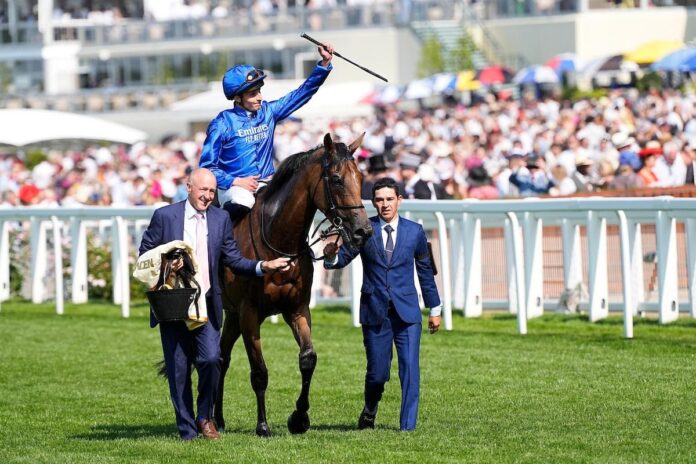
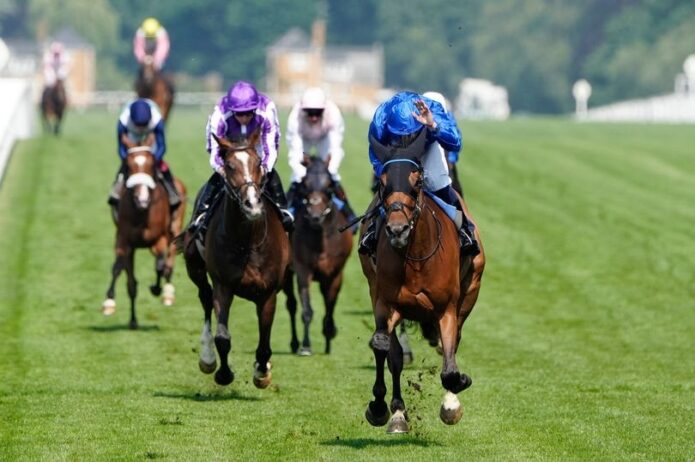
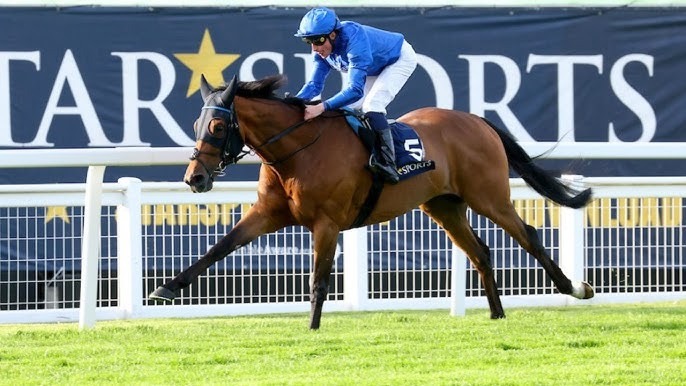
When the crowd rose to its feet under the hot June sun at Royal Ascot, the roar told its own story. Trawlerman, a horse who had waited his turn for the staying crown, ran straight into the history books.

He dominated, stopped the clock faster than any horse before him, and turned the long-distance test into a personal parade.

A New Standard at Ascot

Source: bbc.com

The 2025 Gold Cup marked a passing of the torch. With the great Kyprios retired just a month earlier, the division lacked a headline act. Trawlerman filled that gap in emphatic style.

Trained by John and Thady Gosden, ridden by William Buick, and carrying the familiar blue of Godolphin, the seven-year-old gelding delivered a near-perfect front-running display.

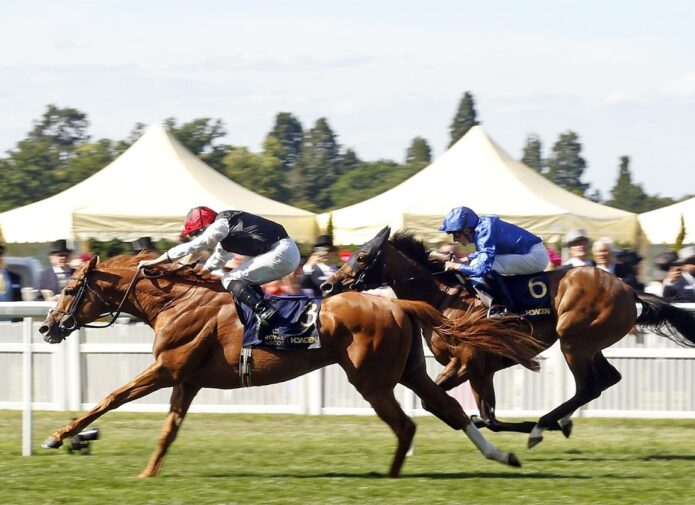
His winning time of 4:15.02 broke the 15-year-old course record held by Rite Of Passage (4:16.92 in 2010). The margin – seven lengths clear of Illinois – confirmed the visual impression of total control.

Another seven lengths back came Dubai Future in third, rounding out a Godolphin one-three finish that underlined the operation’s depth in the staying ranks.

Fans who tracked the market on FanDuel saw Trawlerman’s odds tighten sharply after his Sandown prep run.

Quick Facts Details
Winner Trawlerman (7yo, gelding)
Trainer John & Thady Gosden
Jockey William Buick
Owner/Breeder Godolphin
Winning Time 4:15.02 (new course record)
Going Good to Firm (Racing Post) / Firm (Timeform)
Margin 7L ahead of Illinois, 14L ahead of Dubai Future
Field Size 8 runners
Distance 2 miles, 3 furlongs, 210 yards
Prize £368,615
Buick’s Record First Gold Cup win
Gosden’s Record Fifth Gold Cup win

Why the Win Mattered

Every so often, a performance comes along that resets the bar. For Trawlerman, Ascot 2025 was exactly that. He had unfinished business after finishing behind Kyprios in 2024. With the old rival gone, the opportunity was there – and he grabbed it with both hooves.

On Ladies’ Day, before a packed grandstand, the Godolphin veteran delivered a flawless display of stamina, rhythm, and judgment. William Buick, who has built his career on timing and poise, called the race “autopilot.”

It wasn’t arrogance – it was accuracy. From start to finish, Trawlerman flowed, measuring each stride like a metronome.

The win meant more than a trophy. It crowned a plan years in the making. The Gosdens have long targeted the staying division as a space to showcase patience and precision, and Trawlerman, by Golden Horn out of Tidespring (by Monsun), embodied that philosophy. His pedigree promised stamina; the race proved it.

The Race – Lap by Lap

Here’s how it went:

The Break and Early Rhythm

From the moment the gates opened, Buick made his intentions clear. Trawlerman bounced out smoothly, finding the rail and the lead without a fight. Behind him, Illinois settled in second, with Sweet William and Dubai Future slotting into handy spots.

The first circuit unfolded at a sensible pace – steady enough to conserve energy, but quick enough to prevent interference.

Observers noted Buick’s hands barely moved. Trawlerman’s head carriage stayed low and rhythmic, his stride lengthening effortlessly. In races like the Gold Cup, control is everything, and the early fractions set the tone.

Turning the Screw

Five furlongs from home, the tempo changed. Buick began to ask for a bit more, and the others responded – or tried to. Illinois shadowed him gamely, while Dubai Future started to pick off tired horses behind.
Candelari, touted heavily before the race, simply couldn’t go with them. Sweet William’s effort flattened. The rest were already running for minor places.

Three furlongs out, Trawlerman lengthened again. No whip, no drama. Buick simply rolled his wrists, and the lead stretched to daylight.

Illinois chased, but the rhythm and relentlessness of the leader proved too much. It was the kind of incremental pressure that only elite stayers can sustain.

Drive to the Line

Source: pastthewire.com

By the two-furlong marker, the contest was over. The crowd sensed it, the jockeys behind him knew it.

Buick eased slightly in the final strides, yet the record clocked 4:15.02 – a new standard for Ascot’s premier staying test. Trawlerman crossed the post with ears pricked, seven lengths clear, unbothered by the effort.

The Final Order

Pos Horse Age Trainer Jockey SP Beaten
1 Trawlerman 7 John & Thady Gosden William Buick 85/40 F
2 Illinois 4 Aidan O’Brien Ryan Moore 9/4 7L
3 Dubai Future 9 Saeed bin Suroor James McDonald 28/1 14L
4 Sweet William 6 John & Thady Gosden Robert Havlin 7/1 19L
5 Coltrane 8 Andrew Balding Oisin Murphy 33/1 25¼L
6 Candelari 4 F-H Graffard Mickael Barzalona 5/2 29¼L
7 Yashin 6 Michael Bell Callum Shepherd 50/1 128¼L
PU Wonder Legend 5 James Ferguson Daniel Muscutt 50/1 Pulled Up

Why the Clock Was So Quick

Breaking a course record doesn’t happen by luck. It takes alignment: of tactics, surface, and horse. The 2025 Gold Cup hit the sweet spot.

The Ride

Buick’s control was masterful. He metered the tempo early, then lifted it layer by layer rather than all at once. Every move was premeditated, from conserving energy up the hill to releasing pressure when it mattered.

That rhythm – smooth but relentless – kept Trawlerman within his comfort zone while forcing others outside theirs.

The Ground

The official going was Good to Firm, though Timeform rated it Firm, and that matters. A fast surface rewards fluent movers who can sustain high cruising speeds. Trawlerman’s stride suited the ground perfectly.

On softer turf, the same tactics might not have yielded a record – but on this surface, efficiency turned into acceleration.

The Field

Source: skysports.com

Only eight runners lined up. That meant minimal scrimmaging and no pace battles. Buick could ride to plan, unbothered by congestion. With Illinois briefly chasing and Dubai Future staying on from behind, the race stayed clean and honest – ideal for a front-runner.

The Horse

Trawlerman’s profile had long suggested this kind of peak. He’d proven his stamina against Kyprios and arrived fit from his Henry II Stakes prep at Sandown.

His temperament, once a concern, has matured. What the race delivered was the culmination of experience, breeding, and conditioning.

Reactions from the Yard

John Gosden summed it up succinctly:

“He’s an out-and-out galloper, and William judged it perfectly. When a horse like that gets into rhythm, you don’t interfere. You just let him roll.”

The veteran trainer also noted that Trawlerman would follow a light campaign:

“You don’t run a horse like him into the ground. We’ll pick our spots carefully.”

William Buick, clearly moved, said:

“I didn’t have to touch the brakes once. He knows his pace. He was in a lovely rhythm the whole way, and when I asked him, he just went.”

It was Buick’s first Gold Cup win, an achievement that filled a notable gap in his career résumé. The smile on the podium said it all.

Where the Performance Ranks

Source: uk.sports.yahoo.com

Against History

When Rite Of Passage set the previous Gold Cup record in 2010, many thought it would stand for a generation. It lasted fifteen years.

Trawlerman’s 4:15.02 trimmed nearly two seconds off that time, an eternity at two-and-a-half miles. It was more than a win – it was a redefinition of what “fast” means in the staying division.

Within the 2025 Stayer Scene

Kyprios’s retirement left a vacuum, and the field had been searching for a leader. Now, that question is answered. Illinois ran admirably for a four-year-old but was simply outclassed.

Dubai Future, a nine-year-old veteran, added credibility to the result. Yet none came close to matching Trawlerman’s efficiency.

For Godolphin

A double-layered triumph. Not only did they win with Trawlerman, but their long-serving Dubai Future also hit the board. It showcased Godolphin’s strategic depth – different trainers, same royal blue silks, same result.

For a global operation that prides itself on endurance bloodlines, this was a day that validated years of breeding investment.

Pedigree Snapshot

Pedigree Details
Sire Golden Horn
Dam Tidespring
Damsire Monsun
Breeder Godolphin
Strengths Proven stamina, toughness, consistency
Profile Deep German influence from Monsun, producing natural stayers suited to Ascot’s stiff finish

The German line through Monsun adds the durability that often defines elite stayers. Paired with Golden Horn’s balance of class and stride, the mix produced a horse capable of sustaining strong fractions far longer than most rivals.

Tactical Lessons for Racing Students

Source: youtube.com

Watching the 2025 Gold Cup felt like a masterclass in race management. A few key takeaways stand out for trainers, bettors, and fans alike:

  • Own the pace early, don’t fight it. Controlling the rhythm saves energy later.
  • Apply pressure in layers, not one burst. Buick increased tempo gradually, forcing others to make mistakes.
  • Match the strategy to the horse. Trawlerman’s long, rolling stride demanded continuity, not stop-start surges.
  • Use your environment. Fast ground benefits rhythm horses; Buick made that advantage count.
  • Stay patient. The best stayers grind, not sprint. The key is timing that grind perfectly.

Numbers That Tell the Story

Metric Figure Significance
Winning Time 4:15.02 Fastest ever in Gold Cup history
Winning Margin 7 lengths Dominant at 2½ miles
Field Size 8 Clean tactical setup
Prize £368,615 Top purse for staying division
Buick’s Gold Cups 1 First career win
Gosden’s Gold Cups 5 Reinforces his mastery of the trip

Lessons for Bettors and Race Watchers

Big-race outcomes often hint at broader truths for anyone who studies form or places a wager.

  • Respect genuine stayers when the ground is quick. Speedy types often flatten late at 2½ miles.
  • Front-running can win at extreme distances when the rider controls the pace. Buick showed how a rhythm-based gallop can neutralize closers.
  • Track future rematches. Over two miles, Illinois could turn the tables. Over 2½, Trawlerman holds the aces.
  • Follow the form lines. The Gosden stable’s staying pattern – prep, peak, rest – is consistent and reliable.

Closing Thoughts

Every Gold Cup tells a story, but few do it with such clarity. Trawlerman’s 2025 triumph was more than speed and stamina – it was execution at the highest level. From the front, on fast ground, under calm hands, he shaped the race exactly how he wanted.

When the stopwatch confirmed a new record, it felt fitting. The best rides look easy, but they’re anything but.

For William Buick, it sealed a career milestone. For John and Thady Gosden, it marked another chapter in a long partnership with patience and precision at its core. For Godolphin, it was validation of breeding philosophy and training craft.

And for racing fans, it was simply one of those afternoons you remember – the kind where the cheers outlast the clock.

Heat Extend Nikola Jovic With Four-Year Deal

0
Source: nbcsports.com

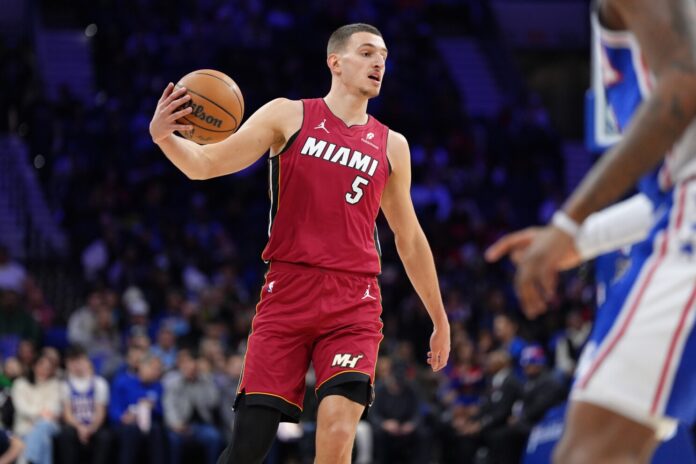
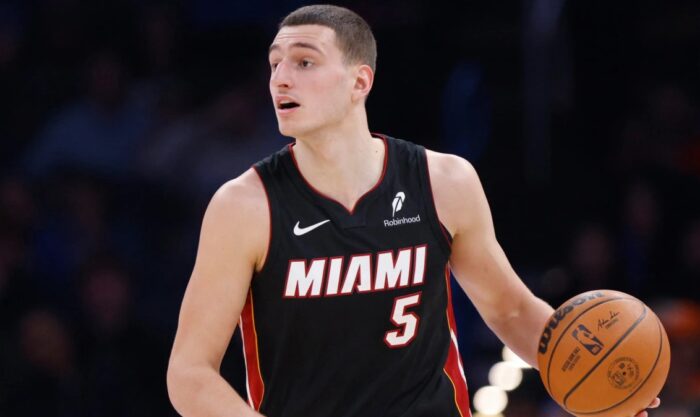
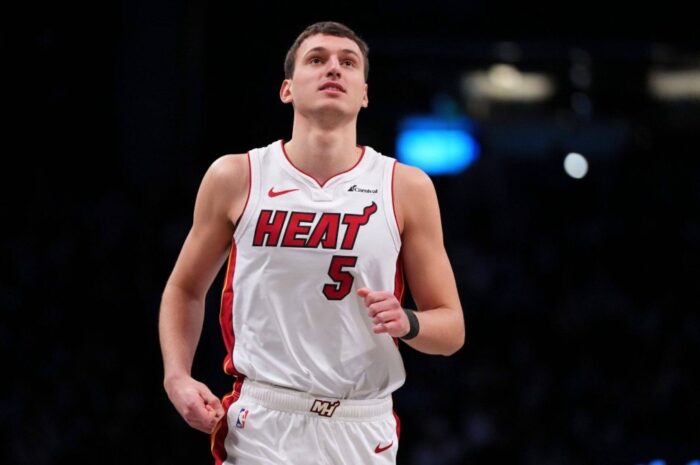
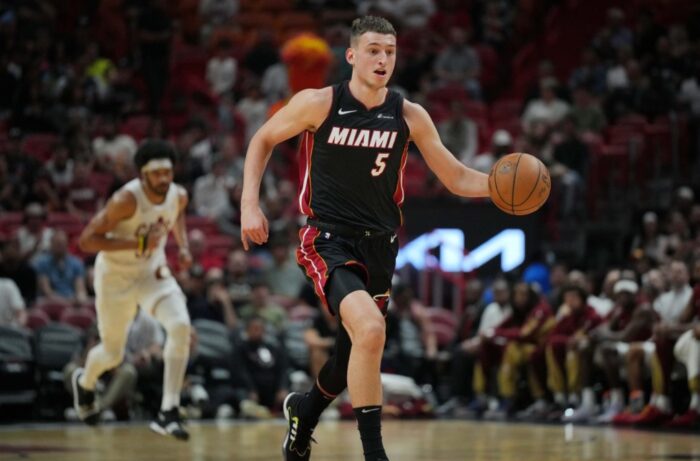
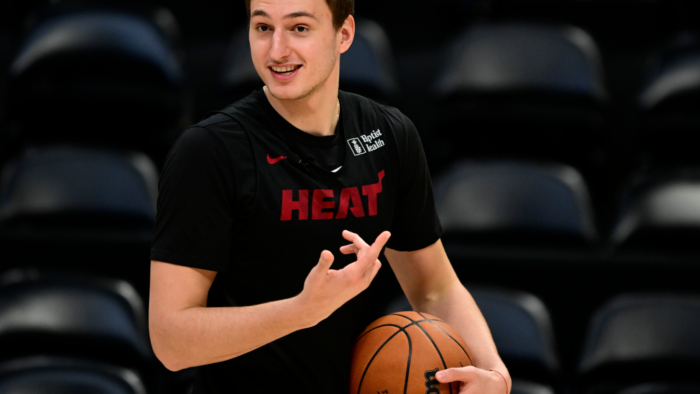
The Miami Heat have made their move to secure one of their most promising young players. Twenty-two-year-old forward Nikola Jović has agreed to a four-year rookie-scale extension worth a reported $62.4 million, fully guaranteed, keeping him in South Beach through the 2029–30 season.

The deal, first reported by ESPN and confirmed by the Associated Press on NBA.com, signals Miami’s confidence in Jović’s future and in his fit within their evolving roster.

Miami later announced the extension officially, though the organization – as is its habit – did not disclose financial details. Still, between league reporting and the team’s timing, the message is clear: the Heat believe the Serbian forward is ready to be a long-term piece.

Quick Facts

Item

Detail

Contract type Rookie-scale extension
Length Four years
Total reported value $62.4 million, fully guaranteed
Team announcement Confirmed, terms undisclosed
Drafted 27th overall in 2022
2024–25 averages 10.7 PTS, 3.9 REB, 2.8 AST, 45.6% FG
Injury note Fractured right hand in Feb. 2025
Age / Size 22 years old, 6’10” forward
Sources ESPN, AP/NBA.com, Miami Heat press release

Why Miami Moved Early

Source: wwlp.com

1. Betting on a stretch forward with real size and feel

Jović represents the archetype of a modern NBA forward: long, fluid, and capable of stretching the floor. His shooting touch and ability to move the ball fit perfectly with Miami’s system built around Bam Adebayo and Jimmy Butler.

His 2024–25 stat line – 10.7 points, 3.9 rebounds, and 2.8 assists per game – might look modest, but those numbers reflect real growth for a player who’s still refining his game.

The Heat see in him a connector who can slot into multiple lineups, guard up when needed, and keep offensive possessions alive with smart reads.

Analysts at FanDuel have noted growing confidence in Miami’s long-term roster moves, with Jović’s name increasingly appearing in future-focused discussions.

2. Locking in value before a breakout

The financial structure – $62.4 million fully guaranteed over four years – positions both sides comfortably. For the team, it’s a manageable number that could look like a bargain if Jović’s production spikes.

For the player, it guarantees long-term security and recognition of his progress. As ESPN noted, fully guaranteed rookie extensions are a sign of mutual confidence: the organization believes in the upside, and the player commits to the team’s development plan.

3. A signal of internal trust

While Miami doesn’t typically reveal contract figures, the very act of announcing the extension confirms belief in the young forward’s trajectory.

The Heat don’t hand out long-term commitments casually. Their development system prizes consistency, effort, and fit – and Jović has steadily checked those boxes.

Timeline and Mechanics in Plain Terms

First-round picks become eligible for extensions after their third season and before their fourth begins.

Jović, drafted in 2022, hit that window right on schedule entering 2025–26. The timing reflects organizational alignment and CBA compliance.

When the new salary starts

The new money kicks in after the final year of his rookie contract, beginning in the 2026–27 season. That structure gives Miami one more season under the rookie scale before the extension takes effect.

Reported vs. official

The Heat confirmed the extension through a press release, but the reported dollar amount came from outside sources – ESPN and the Associated Press. That’s standard practice for the franchise, which rarely releases financial specifics publicly.

What $62.4 Million Really Means for the Cap

Source: facebook.com

Even though the Heat didn’t specify exact numbers, a total of $62.4 million across four years equals an average annual value (AAV) of $15.6 million. Here’s what that figure means in context:

Cap planning in a rising environment

The NBA salary cap continues to climb. A $15–16 million annual salary for a young rotation forward is financially reasonable and offers flexibility. For a player who could grow into a starter’s role, it’s arguably team-friendly.

Fit within Miami’s payroll structure

Miami often operates near or over the luxury tax threshold. Retaining a developing player at a fixed mid-tier salary helps preserve flexibility around the edges – veteran signings, trade maneuverability, and development minutes.

The extension gives Miami cost certainty in a league where versatile forwards are increasingly expensive.

Comparables

Recent rookie-scale extensions for players drafted in the 20s have landed between $50–70 million, depending on production. Jović’s deal sits right in that range, reflecting steady value for a player whose role is still expanding.

The 2024–25 Season

Before suffering a fractured right hand in late February, Jović was carving out a meaningful role. The injury, reported by Reuters, sidelined him for about a month but didn’t erase the progress he’d made. In 46 games, he posted:

  • 10.7 points per game on 45.6 percent shooting
  • 3.9 rebounds and 2.8 assists
  • Solid minutes at both forward spots
  • Improved defensive awareness and spacing discipline

When he returned near the end of the season, he looked more confident and decisive. The numbers only tell part of the story – the comfort level on the court was beginning to show. Coaches and teammates routinely praised his work ethic, and the front office clearly took notice.

Where He Helps Most

Offensive Contributions

Floor spacing: Jović’s shooting form and willingness to let it fly give the Heat important spacing. When paired with Adebayo, his ability to stretch defenses in pick-and-pop actions opens the lane for cutters and drives.

Passing instincts: He has a knack for reading rotations and moving the ball quickly. Those 2.8 assists per game are a reflection of good decisions rather than high usage. Miami values that connective passing – something that keeps motion offenses humming.

Running the floor: For a 6’10” player, Jović runs well in transition. That’s particularly useful when the Heat push pace with second units or look for early offense off stops.

Defensive Profile

He’s still learning the finer points of NBA defense, but his length, mobility, and coordination give him a chance to guard multiple positions. Miami’s system demands discipline and communication – skills that develop over time. Coaches have noted that he’s improved in both positioning and recovery. His challenge remains adding strength and refining timing on closeouts and switches.

What the Deal Says About Miami’s Strategy

Source: bleacherreport.com

The Heat have built their identity on player development. Jović’s extension is another example. Instead of chasing high-priced free agents, they’ve invested in players who fit the culture.

He joins a line of Heat success stories who earned trust through progress – Tyler Herro, Bam Adebayo, Caleb Martin, and others.

Balancing veteran stability and youth

By keeping a young forward under contract through 2029–30, Miami bridges the gap between their veteran core and future flexibility. The team can continue to build around Adebayo and Butler while nurturing players like Jović and Jaime Jaquez Jr. for the next phase.

A long-term asset, not trade filler

While any guaranteed contract can serve as a trade chip, the intention here seems clear: develop and retain. Miami tends to reward players who grow within its system, and the guaranteed structure reflects that confidence.

What Fans Should Know

No immediate impact. The extension doesn’t alter playing time during the current season. But it does suggest that the team plans to invest in his minutes moving forward.

The Heat typically give internal players opportunities once they show readiness – and Jović has reached that point.

Does it affect other young forwards?

Not really. Miami rotates multiple forwards and wings depending on matchups. Having a stretch forward who can pass only expands lineup flexibility.

What about health concerns?

Injuries are part of Jović’s story so far, but the team appears confident in his recovery. Reuters’ report on the fracture and recovery timeline shows he met the expected return window.

Long-term, durability remains an area to monitor, but the full guarantee suggests Miami is comfortable with the medical outlook.

Heat Rotation Outlook With Jović Locked In

Source: sun-sentinel.com

Miami’s coaching staff, led by Erik Spoelstra, loves flexibility. With Jović secured, they can experiment with big and small lineups throughout the next few years. Having a forward who can shoot, move the ball, and defend multiple positions makes matchup planning smoother.

Example lineup options:

  • Adebayo, Jović, Butler, Herro, Richardson (balanced two-way group)
  • Adebayo, Jović, Jaquez, Highsmith, Terry Rozier (youth-focused lineup)
  • Jović at the 5 in small-ball sets when Adebayo rests

Defensive versatility

Expect Spoelstra to keep cross-matching Jović based on opponent size. He might guard taller wings to preserve Butler’s energy or slide into help coverage roles to contest corner threes. Each year under Miami’s system tends to refine those instincts.

The Business Side

By finalizing the deal before the season, Miami prevents a situation where Jović breaks out and becomes far more expensive to retain later. Locking him in early stabilizes their cap sheet during a period when league-wide salaries are inflating due to revenue growth and new media deals.

Protecting long-term roster balance

Every dollar matters when you hover around the luxury tax. A guaranteed mid-tier contract like Jović’s is ideal: it can slot under the tax, balance future extensions for other players, and give the team room to maneuver when filling out the bench.

CBA alignment

Under the collective bargaining agreement, rookie extensions signed before the deadline roll over into the next season’s payroll. It’s a simple, but smart piece of timing that allows Miami to keep its books orderly and predictable.

What to Watch Next

Focus Area

Why It Matters

Shooting volume and efficiency If he maintains his accuracy while increasing attempts, spacing value jumps significantly.
Synergy with Bam Adebayo Pick-and-pop and short-roll chemistry could make both more effective.
Defensive assignments Growth here determines playoff viability.
Fourth-quarter minutes Spoelstra’s trust is earned late in games, not given by contract.
Durability A full, healthy season will help define his true baseline value.

Looking at Comparable Deals

Player

Draft Year

Extension

Total Value

Notes

Jaden McDaniels (MIN) 2020 5 years $136 million Two-way forward archetype, higher ceiling
Josh Green (DAL) 2020 3 years $41 million Smaller role, similar skill blend
Patrick Williams (CHI) 2020 5 years $90 million Comparable role, less shooting consistency
Nikola Jović (MIA) 2022 4 years $62.4 million Full guarantee, aligned with value range

Jović’s deal falls squarely in the middle tier – reflecting confidence without overreach. It’s a fair contract for a developing stretch forward in a rising cap market.

The Cultural Fit & Why It Works

Jović has embraced Miami’s demanding culture since arriving as a teenager. He’s praised by teammates for his maturity, and by coaches for his willingness to learn.

Few environments reward steady improvement like Miami’s, where conditioning, effort, and adaptability are core values. His progression mirrors the Heat’s blueprint for growth: earn trust, expand your role, and deliver when the opportunity comes.

The Serbian forward also brings international experience, having represented his country in FIBA play, where he displayed poise and versatility. That exposure to structured, team-oriented basketball aligns well with the Heat’s disciplined approach.

What It Means for the Future

Source: sun-sentinel.com

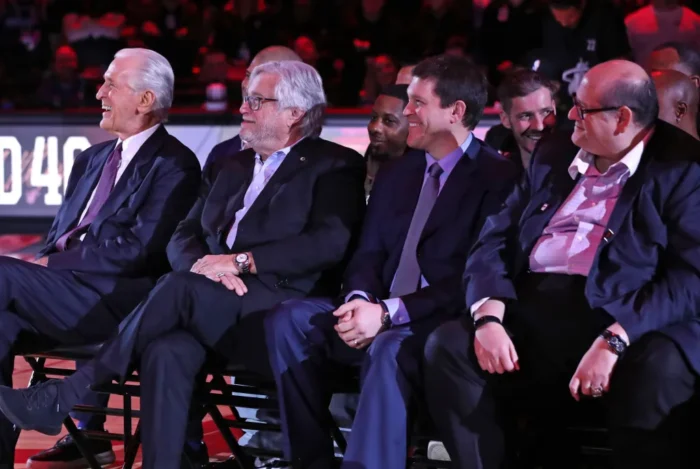
The Heat’s front office, led by Pat Riley and Andy Elisburg, has always balanced immediate contention with long-term sustainability. With Butler aging and Adebayo entering his prime, the team must prepare for gradual transition without a full rebuild.

Jović’s extension fits neatly into that plan. It gives Miami a reliable, cost-controlled contributor who can grow alongside their stars.

If he continues on his current trajectory: stretching defenses, improving on switches, and adding muscle, he could become a central piece of the next iteration of the Heat.

Bottom Line

The Heat chose stability and belief in their own development system by securing Nikola Jović on a four-year, $62.4 million fully guaranteed rookie-scale extension. The move keeps a 6’10” forward with legitimate skill in Miami through 2029–30, and it fits the franchise’s pattern of betting on hard-working, internally developed players.

From ESPN’s first report to the AP confirmation on NBA.com and the Heat’s official announcement, every sign points to organizational alignment. It’s a smart, measured decision that gives Miami a flexible contract, a player entering his prime years, and a continued link between veteran leadership and young talent.

For Jović, it’s validation. For Miami, it’s insurance on potential. And for the fans, it’s another sign that the Heat aren’t waiting for the next superstar to arrive – they’re quietly building one in-house.

Breeders’ Cup 2025: Full Schedule, Top Horses, Race Dates, and What to Expect from the Championship Weekend

0

The 2025 Breeders’ Cup World Championships will take place on Friday, October 31, and Saturday, November 1, 2025, at the Del Mar Thoroughbred Club in Del Mar, California. It marks the 42nd running of the event and the second consecutive year that Del Mar will host it.
This two-day spectacle stands as one of the most prestigious weekends in horse racing, bringing together elite contenders from across the world. With more than $34 million in purses and awards, an expanded Win & You’re In Challenge Series featuring 93 qualifying races across 15 countries, and record global participation expected, the 2025 edition promises to be one of the most competitive and internationally diverse Breeders’ Cups ever staged.

Beyond racing itself, the Breeders’ Cup Festival Week (October 27 – November 2) will turn Del Mar and the surrounding San Diego area into a hub for fans, trainers, and owners. From morning workouts and wagering seminars to downtown fan zones and exclusive viewing parties, this will be an entire week dedicated to the sport’s biggest stars.

Host Track: Why Del Mar Matters


View this post on Instagram


A post shared by Breeders’ Cup (@breederscup)

Del Mar is often described as one of the most scenic racetracks in the world, “where the turf meets the surf.” The 2025 return reflects the success of previous editions held there. The track’s combination of mild fall weather, fast dirt, and firm turf provides a fair racing surface for both American and international competitors.

Historically, Del Mar’s layout favors tactical speed, but its long stretch rewards patience and precision. That balance has drawn praise from top trainers, who say it allows both front-runners and closers a legitimate shot at victory. For fans, the coastal setting ensures stunning visuals and ideal conditions for a packed weekend crowd expected to exceed 70,000 attendees across two days.

Complete Schedule and Tentative Post Times

The 2025 race order will be finalized in late October, but patterns from prior years give us a clear picture of what to expect.

2025 Breeders’ Cup Tentative Race Schedule

Day Event Highlights Approx. First Post (PT) Feature Race(s) Approx. Classic Time (ET)
Friday, Oct 31 – Future Stars Friday Juvenile divisions, showcasing next-generation champions 11:35 a.m. Juvenile Turf Sprint, Juvenile Fillies, Juvenile 5:45 p.m. ET (Juvenile Turf Sprint)
Saturday, Nov 1 – Championship Saturday Major Grade 1 events, including Turf, Mile, and Classic 10:05 a.m. Breeders’ Cup Classic, Filly & Mare Turf, Sprint, Mile 5:41 p.m. ET (Classic)

Both days will include undercard races before the main events. Television coverage will be live on NBC Sports, Peacock, and FanDuel TV, providing global streaming access.

Race Format and Structure

The Breeders’ Cup crowns year-end champions in 14 divisions, each representing a pinnacle of competition in the sport. The lineup covers turf and dirt races, different age groups, and both male and female divisions. The “Win & You’re In” Challenge Series determines most of the field, granting automatic qualification to winners of specific international races.

The 2025 series expands to 93 qualifying events, from Japan to Argentina, emphasizing the event’s global identity. Horses that win these races not only earn automatic entry but also receive paid fees and travel stipends, making it easier for global contenders to compete.

Additionally, the Dirt Dozen program, twelve U.S. graded stakes races serving as lead-up qualifiers for major dirt events, continues to enhance participation and prep quality.

Expected Major Races and Estimated Purses

Race Division / Surface Estimated Purse (USD) Distance
Longines Breeders’ Cup Classic (G1) 3+ years / Dirt $6,000,000 1¼ miles
FanDuel Breeders’ Cup Mile (G1) 3+ years / Turf $2,000,000 1 mile
Maker’s Mark Filly & Mare Turf (G1) Fillies/Mares / Turf $2,000,000 1¼ miles
Cygames Breeders’ Cup Sprint (G1) 3+ years / Dirt $2,000,000 6 furlongs
Longines Turf (G1) 3+ years / Turf $4,000,000 1½ miles
Breeders’ Cup Dirt Mile (G1) 3+ years / Dirt $1,000,000 1 mile
Juvenile (G1) 2 years / Dirt $2,000,000 1 1/16 miles
Juvenile Fillies (G1) 2 years / Dirt $2,000,000 1 1/16 miles
Juvenile Turf Sprint (G1) 2 years / Turf $1,000,000 5 furlongs

Top Horses to Watch for 2025

Even months ahead of the Championships, several standout names are shaping early storylines:

Sierra Leone

Winner of the 2024 Breeders’ Cup Classic, Sierra Leone is expected to return to defend his title. Known for his powerful late kick and composure under pressure, he remains the benchmark for the Classic division. His prep campaign will likely target the Travers Stakes and the Jockey Club Gold Cup, both “Win & You’re In” qualifiers.

Fierceness

A prior Breeders’ Cup Juvenile champion and Kentucky Derby competitor, Fierceness represents the elite class of dirt milers. If he maintains form, the 2025 Dirt Mile could be his to lose. His raw early speed makes him dangerous on Del Mar’s fast track.

European Turf Contenders

Top European trainers like Aidan O’Brien and Charlie Appleby are expected to send multiple turf specialists. Horses emerging from Royal Ascot or the Prix de l’Arc de Triomphe will likely dominate the turf entries. Japan and Australia are also fielding strong prospects for the Mile and Turf Sprint.

Emerging Juveniles

“Future Stars Friday” always introduces new names to global racing fans. Expect a mix of unbeaten juveniles from the U.S., Ireland, and Japan, many having qualified through Challenge Series wins at Ascot, Tokyo, or Saratoga.

How Nutrition and Conditioning Shape Champions

Behind every Breeders’ Cup contender is a precise conditioning and nutrition strategy, one that blends science with decades of horsemanship. Modern racehorses rely on controlled carbohydrate intake, muscle recovery supplements, and forage balancing to maintain peak power throughout long prep seasons.

Consultants and equine specialists such as Equus Victu equine nutritionist often emphasize that small dietary adjustments can determine whether a horse peaks on race day or flattens out late in the season. Fine-tuning electrolyte balance, fiber sources, and vitamin ratios are now as critical as the training schedule itself. At the Breeders’ Cup level, a 1% improvement in stamina or recovery speed can make the difference between a win and a photo finish.

This growing collaboration between trainers, nutritionists, and veterinary experts shows how the sport is evolving, merging tradition with performance science to produce horses that are not just fast, but resilient over multiple seasons.

Trends and Insights for 2025

@breederscup

Inspiral and Frankie Dettori were inspiring in their Maker’s Mark Filly & Mare Turf victory. ✨ #BC23 #BreedersCup

♬ Midnight City – M83

1. Expanding Global Reach

The 2025 Breeders’ Cup will feature more international runners than ever. With Challenge Series races now held in 15 countries, horses from new territories such as Chile, Saudi Arabia, and Hong Kong are increasingly competitive. This makes the 2025 fields more unpredictable and the betting markets more dynamic.

2. Tactical Speed at Del Mar

Del Mar’s layout rewards forward position but punishes overly aggressive starts. Trainers often tailor prep races to ensure their horses can stalk and finish strongly on the long stretch. Expect jockeys with strong tactical awareness, like Ryan Moore, Irad Ortiz Jr., and Flavien Prat, to dominate again.

3. Record Prize Pool

With a total purse exceeding $34 million, the 2025 edition continues a steady upward trend in prize money. Sponsorships from brands like Longines, FanDuel, and Maker’s Mark have expanded, ensuring greater global coverage and incentives for owners.

4. Surface and Weather Factors

Late October in Southern California typically brings temperatures between 65–75°F and little rainfall. The firm turf and consistent dirt allow fair conditions, but even slight moisture can change outcomes, especially for turf closers reliant on grip.

5. Fan Experience

Del Mar’s Breeders’ Cup Festival Week integrates racing with entertainment. Concerts, wine tastings, and morning workouts open to the public make the event more than just a sport; it’s a cultural happening that brings in visitors from around the world.

Key Dates Leading Up to the 2025 Breeders’ Cup

Date Event / Deadline
October 20, 2025 Pre-entry deadline for all Breeders’ Cup Championship races
October 22, 2025 Official race order and post times announced
October 27 – November 2, 2025 Breeders’ Cup Festival Week (Del Mar & San Diego region)
October 31, 2025 Future Stars Friday – Juvenile Races
November 1, 2025 Championship Saturday – Main Event Races

Broadcast and Betting Outlook

People in a pub watching horse racing on a TV

NBC Sports will provide full coverage with live feeds on Peacock, USA Network, and international partners. The wagering structure remains deep, with exacta, trifecta, and Pick 6 pools expected to generate record handles. FanDuel TV will also stream exclusive behind-the-scenes footage and morning line analysis.

The “Dirt Dozen” bonus initiative encourages fans to follow the prep circuit from spring through fall. Bettors who track these 12 key dirt races often gain valuable insight into which horses are peaking before the Championships.

Final Thoughts

The 2025 Breeders’ Cup represents more than the end of a racing season; it’s the culmination of a global yearlong competition. From Tokyo to Lexington, horses have earned their way here through grueling qualifiers and Grade 1 performances.

With Sierra Leone aiming to repeat in the Classic, Fierceness eyeing redemption, and a wave of international challengers entering new divisions, Del Mar will once again serve as the crossroads of world racing.

Expect packed stands, global television audiences, and two days of racing that will define champions and possibly rewrite history.

Champions League Fantasy Tips: How to Build the Best Starting Team for Maximum Points

0
Source: uefa.com

Every Champions League season brings drama, late goals, and unforgettable moments. For fantasy managers, it also brings sleepless nights over transfers, captain picks, and whether to gamble on that cheap midfielder who just scored in the qualifiers. Getting it right can put you ahead of thousands, but it takes more than guesswork. Strategy, balance, and a bit of boldness define the managers who rack up maximum points.

Before diving into specifics, remember this: you’re not just picking players, you’re building a team that survives group stage rotations, injury scares, and the occasional red card meltdown. Here’s how to shape your starting XI into a points-machine.

1. Balance Star Power and Budget Picks

Source: fantasyfootballscout.co.uk

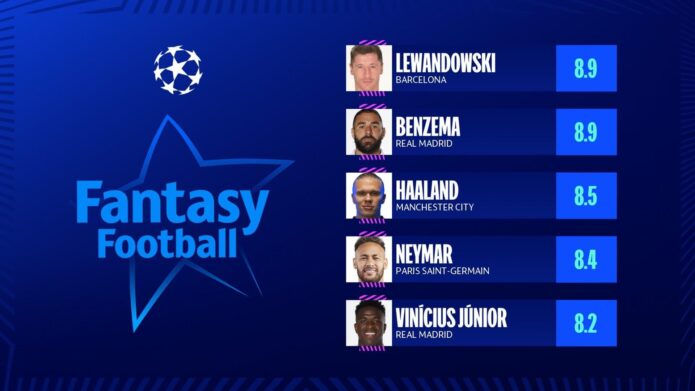
One of the biggest mistakes new fantasy managers make is overloading their squad with star forwards. Yes, Mbappé and Haaland look irresistible, but stacking your budget on three premiums leaves your bench looking like a Sunday league lineup.

The smarter approach is balance. Pair one or two high-value names with budget players who are guaranteed starters. Often, defenders or midfielders from mid-tier clubs with favorable group fixtures offer huge returns per euro spent. Think of Porto defenders, Benfica midfielders, or bargain options from surprise teams.

A balanced squad ensures you don’t get punished on off-nights. Depth matters, and those cheap enablers often deliver unexpected hauls that define your season.

2. Smarter Budgeting: Where to Spend and Where to Save

Building a fantasy team is all about resource allocation. Pour money into strikers and attacking mids, but never underestimate value in defense. Clean sheet points stack up, and bonus points can tip the scales.

Budgeting well in fantasy feels a lot like how people manage entertainment expenses. Some fans throw cash on tickets, jerseys, or even a casual spin at a phone casino. The logic is the same: know where your investment will bring the highest return.

  • Spend big: on reliable captaincy options.
  • Spend smart: on defenders from clubs with easy fixtures.
  • Save on goalkeepers; rotate two budget options instead of buying one premium.

Budgeting isn’t glamorous, but it wins leagues.

3. Fixture Analysis Beats Blind Faith

Source: uefa.com

Choosing players without checking fixtures is like betting on a penalty shootout with no research. Group stage schedules matter. A striker facing Bayern, Madrid, and Inter isn’t as appealing as one meeting teams that ship goals weekly.

Fixture analysis helps you spot golden runs. Dortmund may look ordinary against elite opposition, but against weaker group rivals, their wingers become point machines. Similarly, defenders from sides like Napoli or Atlético thrive during cushy matchups.

The lesson? Plan two to three weeks ahead. Avoid doubling up on players about to face tough runs. Every fixture has a story, and maximizing your lineup means reading the script before kickoff.

4. Rotation Roulette and Squad Depth

Source: uefa.com

The Champions League is notorious for rotation. Managers like Pep Guardiola and Carlo Ancelotti won’t hesitate to rest stars once qualification is secure. That means your fantasy squad must have depth and flexibility.

A bench stacked with nailed-on starters is insurance against last-minute surprises. If you rely too heavily on one club, rotation risk doubles. Instead, spread across different leagues and managers known for consistency.

Key tips to manage rotation risk:

  • Avoid players from clubs that dominate early and rotate late.
  • Trust steady starters in defense and midfield.
  • Always have at least two playing bench options.

Depth wins titles in fantasy. Ignoring it leaves you at the mercy of real-world managers who don’t care about your points total.

5. Captaincy: The Difference Between Average and Elite

Source: stan.com.au

Your captain is the heartbeat of your fantasy week. Picking the right one can double your total, while the wrong choice leaves you climbing uphill. The trick is not overthinking, but also not blindly captaining the same player.

  • Strikers in form are safe bets, especially when facing weaker opposition.
  • Attacking midfielders on penalties often outscore bigger names.
  • Don’t chase miracles: captaining a defender rarely pays off.

The best managers rotate the armband based on fixtures, not just reputation. Haaland might look like the obvious pick, but if Vinícius is playing against a team that concedes heavily, the upside might be greater. Captaincy isn’t luck; it’s calculated risk.

Table: Value Picks vs. Premium Picks

Sometimes it helps to visualize how your squad might balance between heavyweights and hidden gems.

Category Premium Players (10M+) Value Players (≤6M)
Forwards Haaland, Mbappé, Lewandowski Taremi, Sesko, young breakout striker
Midfielders Bellingham, Vinícius Jr., Kvaratskhelia Gravenberch, Koopmeiners, Benfica mids
Defenders Alexander-Arnold, Cancelo Porto backs, Napoli full-backs
Goalkeepers Courtois, Neuer Onana, cheaper Portuguese starters

This balance keeps you competitive across all fixtures without leaving glaring gaps.

Did You Know The Bonus Point Secret?

Not all points come from goals or assists. Bonus points quietly swing matches in fantasy. Players who recover balls, dominate midfield, or create multiple chances often earn extra points.

For example, defensive midfielders rarely score, but someone like Rodri racks up ball recoveries, adding a steady stream of points. Similarly, creative full-backs who pump in crosses but don’t always assist still earn bonuses.

Many managers overlook this scoring system. If you want consistency, don’t ignore the bonus magnets. They may not grab headlines, but they quietly push your total higher week after week.

Learn from the Group Stage Patterns

Source: uefa.com

Every year, group stages create patterns. Some clubs secure qualification early and rotate. Others fight tooth and nail until the last matchday. Reading those trends helps you time transfers.

Teams like Bayern and City often qualify with two games to spare, meaning fringe players get late minutes. Conversely, underdogs fighting for second place stick with their strongest XI until the end. That’s where fantasy managers should focus late transfers: on players who remain motivated.

Spotting patterns isn’t just about points, it’s about staying ahead of rivals who blindly follow reputation. Champions League history repeats itself – managers who study it reap the benefits.

Trust the Stats but Keep Your Gut

Data matters. Expected goals (xG), assists (xA), and chance creation stats reveal trends long before casual fans notice. But relying on numbers alone can strip the game of instinct. Sometimes, going with your gut on an in-form player pays off, even if stats suggest regression.

Fantasy is part science, part art. Stats guide your strategy, but football is unpredictable. Injuries, refereeing decisions, and sheer moments of brilliance can change everything. The best managers combine analytics with intuition, knowing when to play safe and when to gamble.

Build Smart, Stay Flexible, Enjoy the Ride

Champions League Fantasy isn’t just about points; it’s about the thrill of competing with friends and rivals on football’s biggest stage. Building a balanced squad, managing budget smartly, and timing your captaincy choices are the building blocks of success. Add depth to withstand rotation, keep an eye on fixtures, and never underestimate the hidden value of bonus points.

In the end, remember why you play: for the drama, the bragging rights, and the joy of celebrating when your €5.0M defender scores the winner in Istanbul. Build smart, trust your instincts, and you’ll be ready to chase maximum points all season long.

The Clubs Best Placed to Battle for German Football’s Biggest Prize

0
Clubs Best Placed to Battle for German Football’s Biggest Prize
Source: theeuropeanleaders.com

Bayern Munich have wasted no time reminding everyone why they’ve been the dominant force in German football for more than a decade. With three wins from three to open the new campaign, the Bavarians have been scoring at will, notching an incredible 14 goals while conceding just twice.

That kind of ruthless form makes them early frontrunners once again, and anyone keeping an eye on German football league markets will see Bayern firmly installed as overwhelming favourites.

For fans following Bundesliga betting, the odds reflect not just Bayern’s blistering start, but also the uncertainty surrounding who, if anyone, can mount a serious push to end their reign.

Leverkusen: A club in transition

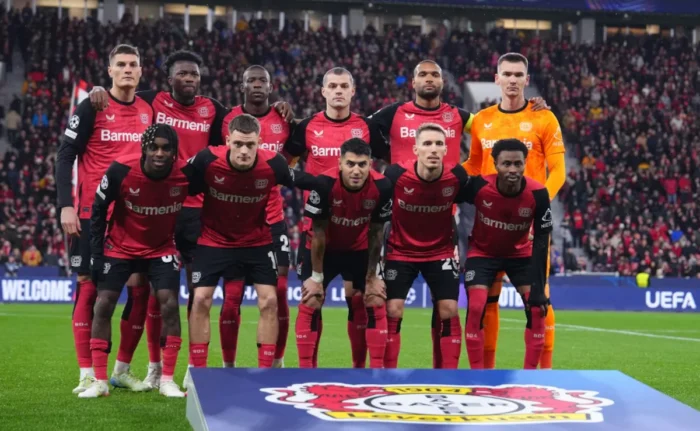
Bayer Leverkusen
Source: sports.ndtv.com

The last team to break Bayern’s monopoly on the Bundesliga was Bayer Leverkusen, but their hopes of mounting a repeat challenge look slim after a turbulent summer. Following back-to-back seasons of success, the club was raided during the transfer window.

Star youngsters Florian Wirtz and Jeremie Frimpong joined Liverpool, Arsenal snapped up defender Piero Hincapié, while midfield general Granit Xhaka made a surprise switch to Sunderland. To make matters worse, inspirational manager Xabi Alonso departed for Real Madrid, leaving the club scrambling for stability.

Leverkusen turned to Erik ten Hag to steady the ship, but the experiment lasted just 10 weeks before the Dutchman was dismissed after a disastrous start. Now, Danish coach Kasper Hjulmand has been tasked with restoring some order.

Leverkusen fans will be desperate for him to inject new energy into the squad, but expectations of another title charge have already dimmed. This year looks far more about rebuilding than competing with Bayern at the top.

Dortmund: The eternal challengers

Borussia Dortmund
Source: getfootballnewsgermany.com

If there’s one club still expected to push Bayern closest, it’s Borussia Dortmund. The Black and Yellows have been searching for their first league crown since 2012, and optimism has been buoyed by the arrival of Jobe Bellingham.

The younger brother of Real Madrid star Jude Bellingham, Jobe, has made an instant impact and will be eager to step out of his sibling’s shadow while continuing the family legacy at the Westfalenstadion.

Dortmund have opened their campaign with two wins and a draw from three games, a steady enough start to keep pace with Bayern. Much of their early success has come thanks to the form of Serhou Guirassy, who has already scored four times in three matches.

If he can maintain his scoring touch, and if Bellingham can add creativity and energy in midfield, Dortmund could once again be the side best placed to capitalise on any rare Bayern slip-ups. Those studying Bundesliga betting markets will know that Dortmund’s consistency across the season remains the real question.

FC Köln: Building on resilience

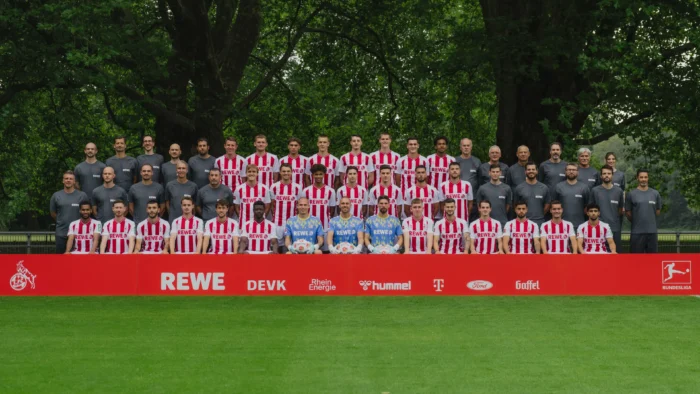
fc köln 2025
Source: fc.de

FC Köln has opened the campaign with an unbeaten run, proving that determination can sometimes make up for a lack of star power. Their squad is not as deep as Bayern’s or Dortmund’s, but they’ve built a reputation on hard work, tactical discipline, and the ability to grind out results.

The real challenge for Köln will be sustaining this form over a full season. If their consistency holds, they could establish themselves in the upper half of the table and even push for a European place. For now, they’re showing that resilience can keep you competitive even against better-funded teams.

Eintracht Frankfurt: Dangerous but unpredictable

Eintracht Frankfurt has started with two wins and one defeat, a record that highlights both their promise and unpredictability. On their best days, Frankfurt can trouble anyone in the league with quick transitions and a fearless attacking style. However, inconsistency has been their Achilles’ heel in recent years, often undoing stretches of strong form.

If they find stability, they could keep pressure on the top spots, but without it, their season may swing between impressive highs and frustrating lows. That volatility is what makes them exciting — and difficult to back in a title race.

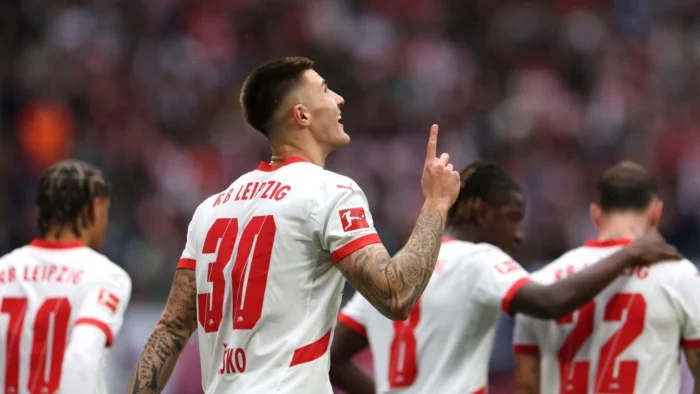
RB Leipzig: A test of character

RB Leipzig
Source: liverpoolfc.com

Leipzig endured the toughest of starts, a heavy 6-0 defeat to Bayern on the opening weekend, which many thought would shatter their early hopes. Yet their response has been impressive: two straight wins, built on resilience and attacking flair, remind everyone why Leipzig are still considered dark horses.

Their young squad brims with talent, but defensive frailties remain a concern. If they can tighten up at the back and recapture the fluid attacking patterns that defined them in past seasons, Leipzig might surprise those who already wrote them off. More than any other outsider, they embody the potential to turn setbacks into renewed momentum.

Squad Depth as Bayern’s Secret Weapon

A league season stretches over nine grueling months, and what often separates genuine contenders from nearly-there sides is the depth of their squad. Bayern Munich has mastered the art of building a roster that can withstand injuries, fixture congestion, and dips in form without losing momentum. While other clubs may falter when key players are sidelined, Bayern can turn to the bench and still field a team full of internationals. This advantage becomes most visible during the winter months when fatigue starts to show.

Here’s why depth plays such a decisive role:

  • Injuries rarely derail their campaign because world-class replacements are always available.
  • Regular rotation allows Bayern to stay competitive in both the Bundesliga and European competitions.
  • Internal competition ensures every player remains sharp, knowing no starting spot is guaranteed.

Such a balance means Bayern rarely experiences the dips that haunt their rivals.

The Power of the Crowd

Statistics and finances tell part of the story, but football is ultimately an emotional game, and nothing influences it more than fan support. In the Bundesliga, where stadiums are packed week after week, supporters can become the extra push that turns tight matches into victories.

Borussia Dortmund’s “Yellow Wall” has become legendary, often overwhelming visiting teams and giving Dortmund players the courage to fight until the last minute.

Clubs like Eintracht Frankfurt and Leipzig also benefit from vocal, dedicated fan bases that transform their home grounds into difficult venues for opponents.

Even Bayern, with its modern Allianz Arena, draws strength from consistently high attendances and a sense of inevitability that its fans help cultivate. Over the course of a long season, those moments of encouragement from the terraces often make the difference between dropping points and keeping momentum alive in the title race.

Bayern remain the benchmark

Bayern Munich
Source: footballfashion.org

Despite these contenders, Bayern Munich remains the benchmark for German football. Their frightening start to the season has reinforced the gulf in quality between them and the rest of the league.

Yet football is rarely predictable over the course of nine months, and while Leverkusen looks to rebuild, Dortmund aims to finally end their drought, and outsiders like Köln, Frankfurt, and Leipzig strive to cause upsets, the Bundesliga could still offer drama.

For now, though, the title is Bayern’s to lose, and with 14 goals in just three matches, they’re showing no signs of letting go easily.

Key League Series to Watch in MLB Before the 2025 Playoffs

0
Source: mlb.com

October is closing in fast, and Major League Baseball is gearing up for a postseason that promises to be chaotic, competitive, and unpredictable.

The final stretch of the regular season always holds weight, but in 2025, the margins separating teams are thinner than ever.

Postseason berths, division crowns, and even home-field advantage are hanging in the balance.

With tight division races, wild-card drama that shifts nightly, and schedules that tilt the advantage in one direction or another, every remaining game matters.

Fans are preparing for a thrilling September that will shape the October stage.

Overview of the 2025 MLB Playoff Picture

https://www.youtube.com/watch?v=YluliFU3ir0

Postseason baseball in 2025 is shaping up to be a thrilling stretch of competition with more teams in contention than ever before.

The format gives both leagues an equal chance to showcase their best, while keeping fans engaged right until the final pitch of the regular season.

Structure and seeding have become as important as momentum, creating added intensity in September matchups.

The current playoff design features:

  • 12 total teams: six from the American League and six from the National League.
  • Top two seeds in each league: rewarded with a first-round bye, saving pitching rotations and resting star players.
  • Wild Card series: best-of-three format, creating a short, pressure-filled battle.
  • Division Series: best-of-five format that rewards consistency but still leaves room for surprises.
  • League Championship Series and World Series: best-of-seven contests where depth and strategy often decide outcomes.

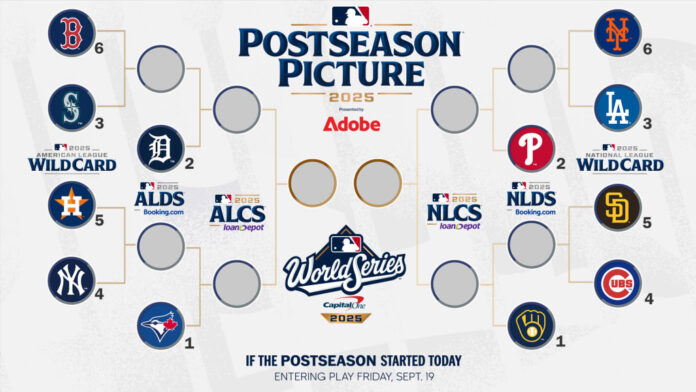
By September 18, several franchises have already guaranteed their postseason spots:

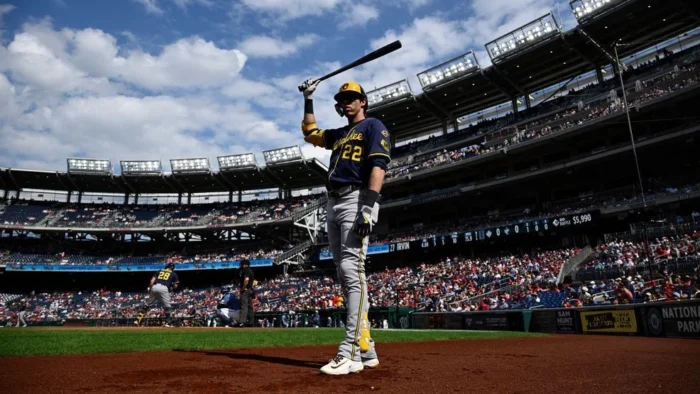
  • National League: Phillies, Brewers, Cubs.
  • American League: Blue Jays, Tigers, Astros.

Every other contender now balances on a tightrope of competition and scoreboard watching. Some will secure their place with authority, others may collapse under pressure.

Momentum heading into October may ultimately prove just as valuable as roster depth or seeding position.

Must-Watch Series in the Final Weeks

Source: bachelors-completion.northeastern.edu

Late September baseball rarely disappoints, and 2025 is packed with series that hold weight across both leagues.

Each matchup features postseason implications, storylines, and rivalries that could shape October. Below are the most compelling showdowns.

For fans looking to get even more engaged in these high-stakes matchups, FanDuel offers real-time betting odds, futures, and prop bets on all major MLB games.

American League

Now, let us take a look at the important ones within the American League.

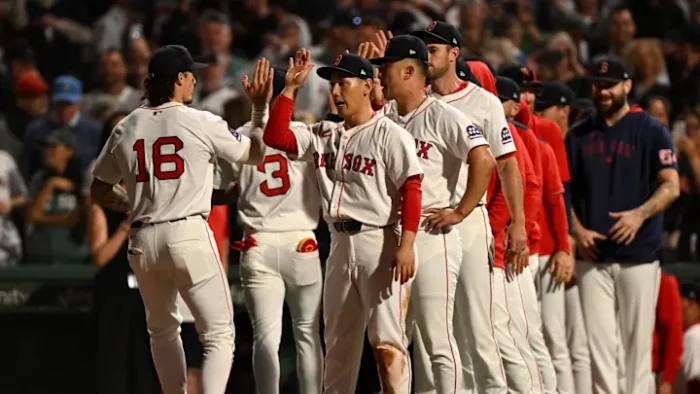
Blue Jays vs. Red Sox (Sept. 23–25)

Toronto has controlled much of the season and already owns a dominant 7–3 record in head-to-head meetings with Boston.

Still, Boston is pushing to secure home-field advantage in the Wild Card round.

With Fenway Park offering a notoriously loud and intimidating atmosphere, that edge could prove decisive.

  • Toronto chasing the number one seed in the American League.
  • Boston battling for a Wild Card edge with home-field at stake.

Astros vs. Mariners (Sept. 19–21)

Seattle has cut into Houston’s lead in the AL West, bringing this rivalry into sharp focus.

Both clubs are tied in their season series, meaning this clash also determines tiebreaker control.

With the division title hanging in the balance, every pitch will feel like October baseball.

  • Mariners gaining momentum at the perfect time.
  • Astros attempting to reclaim control of the division.

Guardians vs. Tigers (Sept. 23–25)

Detroit has been steady all season, standing on the verge of clinching the AL Central. Cleveland, however, still clings to slim postseason hopes.

Spoiling a rival’s title celebration adds incentive for the Guardians.

  • Tigers can clinch the division outright.
  • Guardians need a sweep to keep Wild Card hopes alive.

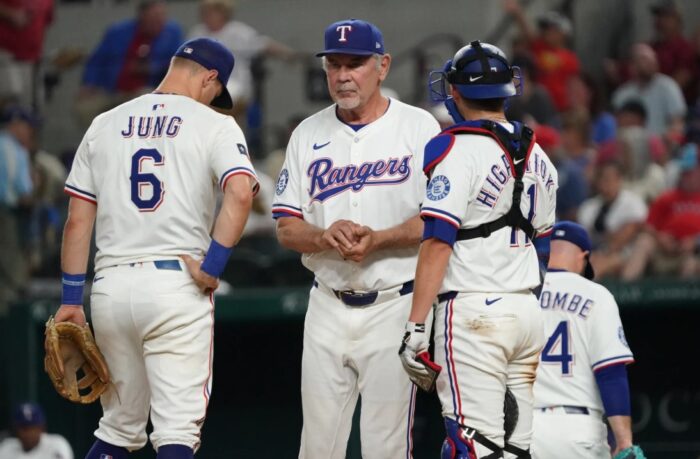
Rangers vs. Astros (Sept. 15–17)

Texas sits on the edge of elimination, needing near perfection in the final weeks. Houston has won six of their ten meetings, but rivalry matchups often defy expectations.

The Rangers must treat this series like a playoff if they hope to extend their season.

  • Houston looking to solidify playoff positioning.
  • Texas clinging to postseason dreams.

Yankees vs. Orioles (Sept. 26–28)

New York has stabilized its season enough to hold Wild Card ground, while Baltimore remains in the hunt for the division crown.

A sweep for either side could completely rearrange playoff seeding.

  • Yankees can climb in Wild Card seeding.
  • Orioles chasing first place in the AL East.

National League

Source: mlb.com

After American league, we should take a look at the ones important for the national league.

Dodgers vs. Phillies (Sept. 15–17)

Both teams are postseason bound, yet each wants the luxury of a first-round bye.

A Dodgers sweep would flip seeding positions, while the Phillies are motivated to keep control.

Star power and postseason experience guarantee intensity.

  • Phillies aiming to hold their bye position.
  • Dodgers eager to leapfrog into the top two seeds.

Padres vs. Mets (Sept. 16–18)

New York and San Diego are both fighting for survival.

Every win carries life-or-death weight, and the Padres currently hold the season advantage.

Mets, however, benefit from one of the league’s easier schedules outside this matchup.

  • Padres with a head-to-head edge.
  • Mets relying on remaining weak opposition to secure momentum.

Cubs vs. Reds (Sept. 18–21)

Chicago seeks to lock in its Wild Card berth, while Cincinnati is grasping to stay alive.

This rivalry has the added intensity of postseason implications and a potential tiebreaker shift.

  • Cubs fighting for the number two Wild Card position.
  • Reds needing a miracle push to stay in contention.

Giants vs. Dodgers (Sept. 18–21)

San Francisco is fighting against elimination while Los Angeles pushes for better seeding.

Rivalry history adds layers to a series that could either extend or end the Giants’ season.

  • Dodgers looking to knock out their rivals.
  • Giants aiming to stay alive in the Wild Card chase.

Diamondbacks vs. Padres (Sept. 26–28)

Arizona holds one of the toughest remaining schedules in baseball.

Their final series against San Diego could decide the last Wild Card berth.

Expect tense, extended games with every at-bat magnified.

  • Diamondbacks facing relentless opposition across September.
  • The Padres and Diamondbacks both viewing this as a final do-or-die showdown.

Series with Seeding and Tiebreaker Implications

Source: fox11online.com

Late-season baseball often comes down to technicalities, and Major League Baseball’s tiebreaker rules add intrigue.

The process begins with head-to-head results, followed by intradivision records, then interdivision records.

This system places unusual importance on specific matchups, meaning one game in September can dictate an entire playoff path.

Key unsettled battles include:

  • Mariners vs. Astros: season series tied 5–5, winner takes tiebreaker.
  • Cubs vs. Mets: Wild Card positioning could hinge on head-to-head results.
  • Guardians vs. Tigers: division crown could be determined in their final series.
  • Padres vs. Diamondbacks: last Wild Card spot may be shaped entirely by their closing matchup.

Each inning in these contests holds outsized influence, with postseason paths being redrawn almost nightly.

Strength of Schedule ─ Who Has the Toughest/Softest Roads?

Schedules can be as decisive as pitching rotations in September. Some teams face brutal closing stretches, while others enjoy a lighter road that increases their playoff odds.

Toughest challenges:

  • Diamondbacks (.547 winning percentage): face Giants, Phillies, Dodgers, and Padres.
  • Dodgers (.523 winning percentage): battle Phillies, Giants, and Mariners.

Easiest paths:

  • Mets (.477 winning percentage): aside from clashes with Cubs and Padres, the schedule is loaded with underperforming teams.
  • Rangers (.480 winning percentage): soft matchups remain, but playoff hopes are slim due to prior struggles.

Clubs with tougher schedules must treat every inning with urgency, while those with easier paths cannot afford complacency.

Postseason survival will likely depend on who capitalizes on favorable matchups and who overcomes the harshest slates.

Source: lonestarball.com

Summary

Chaos is the expectation as baseball enters its final stretch before October.

Every inning matters, every roster move has consequences, and no team can afford to relax.

Seeds, berths, and bragging rights will all be defined by these final weeks.

Fans are in for a thrilling ride that sets the stage for a postseason with no clear favorite and plenty of potential surprises.

MLB 2025 Playoff Race ─ Which Teams Are Surging at the Right Time

0
MLB 2025 Playoff
Source: mlb.com

With less than two weeks left in the 2025 MLB regular season, every at-bat carries enormous weight.

A total of twelve playoff spots are up for grabs, and several division titles are still undecided.

Wild card battles have become fierce, creating a dramatic stretch run for fans and players alike.

Some clubs are finding their stride at just the right moment, while others are struggling to keep pace.

Momentum often dictates October success, making late-season form one of the most telling indicators of who may go far once the postseason begins.

Clinched and Near-Locked Teams

As the final days of the 2025 regular season approach, several teams have already secured playoff positions, while others are on the cusp of punching their ticket.

Some franchises are enjoying a sense of security, while others still have crucial games ahead that could alter seeding and momentum.

National League

Brewers have already celebrated an NL Central title, powered by both consistent offense and one of the strongest rotations in baseball.

Holding the best overall record in the league, Milwaukee is eyeing home-field advantage throughout October.

The Phillies locked down the NL East thanks to a lineup that has thrived on power.

Kyle Schwarber’s record-setting home run total and Bryce Harper’s steady leadership have kept them in control of the division.

Cubs ensured themselves a wild-card spot, but remain within striking distance of the Brewers, adding intrigue to the closing stretch.

The Dodgers and Padres have not yet clinched, but projections place them with over 99 percent probability of advancing.

Los Angeles has leaned on Shohei Ohtani’s all-around brilliance, while San Diego has stabilized after midseason struggles.

American League

Blue Jays have controlled the AL East nearly all season, led by dominant pitching and steady run production.

Their position as the likely top seed makes them favorites to advance far in October.

Tigers locked up the AL Central, marking an important milestone after years of rebuilding.

Young talent combined with experienced leadership has given Detroit a long-awaited division crown.

Yankees, Astros, and Mariners remain strong contenders, though the gap between them is slim.

Every game carries weight as each team fights not just for qualification, but for a higher seeding that could provide a crucial advantage in matchups.

Surging Teams Entering the Final Stretch

Momentum often defines how a club enters the postseason, and several squads have caught fire at just the right time.

Their late-season surges have not only altered standings but also shifted the narrative around their playoff potential.

Seattle Mariners

Seattle is riding the energy of a ten-game winning streak that has propelled them into control of the AL West.

Cal Raleigh has provided both leadership and historic production, rewriting home run records for switch-hitting catchers.

Rotation depth and bullpen reliability have transformed the Mariners into a threat few opponents will want to face.

Chicago Cubs

Cubs have secured a wild card, yet their ambition stretches further. A chase for the Brewers continues, and the offense remains red hot.

Pete Crow-Armstrong’s struggles have been offset by contributions across the lineup.

Adjustments to the order have kept Chicago dangerous, with the potential to surprise once October begins.

Source: espn.com

Toronto Blue Jays

Toronto enters the postseason as one of the most stable teams.

Kevin Gausman, Shane Bieber, Max Scherzer, and rookie Chase Yesavage give the club a rotation that can go toe-to-toe with anyone.

Offensive consistency has helped them remain steady, leaving them on track for a top American League seed.

San Diego Padres

A late-season surge has put San Diego in a strong position.

Mason Miller has energized the bullpen in the absence of Jason Adam, while timely hitting has balanced their attack.

September proved decisive in their climb, showing resilience that could translate well into October matchups.

Arizona Diamondbacks

Arizona looked eliminated weeks ago, but now sits back in the hunt.

Geraldo Perdomo has elevated his play to an MVP level, sparking confidence across the roster.

Defense, speed, and renewed offensive energy have given the Diamondbacks one last push for a wild-card spot, even with little margin for error.

Teams Trending in the Wrong Direction

For every team surging, others are slipping under the pressure of September.

Injuries, inconsistencies, and mounting fatigue have shifted momentum away at the worst possible moment.

New York Mets

An eight-game losing streak nearly ended their season before Pete Alonso’s walk-off homer gave them temporary relief.

Reliance on young arms like Christian McLean and Brandon Sproat has created instability in the rotation.

Offensive struggles only add to their precarious wild-card position.

Boston Red Sox

Roman Anthony’s injury has crippled Boston’s offense.

Production at the plate has cooled significantly, creating problems in clutch situations.

While pitching has provided some support, missed opportunities to drive in runs threaten to push the Red Sox out of the playoff picture.

Source: bosoxinjection.com

Texas Rangers

September began promisingly for Texas, but momentum has evaporated.

Defensive lapses and inconsistent pitching have left them 3.5 games behind in the wild-card standings.

As defending champions, the pressure to repeat is intense, but current form suggests the challenge may be too much.

Key Races to Watch

As the season enters its final week, some battles are poised to shape the playoff brackets dramatically.

Division titles and wild-card races are expected to come down to the very last series.

AL West Battle: Mariners vs Astros

Seattle and Houston are separated by just half a game.

Their upcoming head-to-head series will likely determine not only who wins the division but also playoff seeding.

Both clubs are playing with postseason intensity, making this one of the most-watched matchups of the closing stretch.

Final AL Wild Card Spot

Three teams, Red Sox, Rangers, and Guardians, remain locked in a fierce fight.

Boston holds key tiebreakers over the Yankees, while Toronto has the edge against both Boston and New York.

A single hot streak could swing the balance, keeping fans glued to out-of-town scoreboards.

Source: boston.com

NL Final Wild Card Spot

Mets hold the final slot, but the margin is razor thin.

Diamondbacks, Reds, and Giants remain within three games, ready to pounce.

Every win or loss carries massive consequences, promising a chaotic finish to the National League race.

Updated Playoff Projection (If Season Ended Today)

Current projections show how the brackets would align, but the tight races guarantee that the field could still shift.

American League Bracket

  • Bye: Blue Jays, Tigers
  • Wild Card Series: Mariners (3) vs Red Sox (6)
  • Yankees (4) vs Astros (5)

National League Bracket

  • Bye: Brewers, Phillies
  • Wild Card Series: Dodgers (3) vs Mets (6)
  • Cubs (4) vs Padres (5)

Summary

Mariners, Cubs, and Padres have gained steam at precisely the right moment, positioning themselves as dangerous postseason contenders.

Mets, Red Sox, and Rangers face mounting pressure as their playoff hopes weaken.

Fans can expect high drama as contenders chase glory and challengers fight to keep dreams alive.